
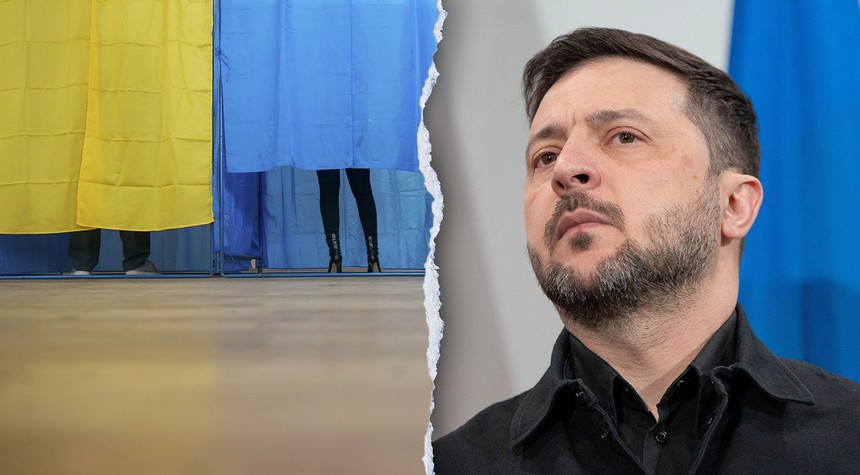
Ukraine appears poised to hold its first presidential election since the Russian invasion began, with President Volodymyr Zelenskyy expected to announce the voting date on February 24, marking the fourth anniversary of Moscow’s full-scale assault on his nation.
According to reports from Ukrainian and European officials familiar with the planning, Kyiv intends to conduct both a presidential election and a nationwide referendum on potential peace terms with Russia. Both votes could occur by May 15, a deadline that carries significant weight in the ongoing relationship between Ukraine and its primary Western supporter, the United States.
The timeline is not arbitrary. American officials have made clear that proposed security guarantees for Ukraine may be contingent upon holding these democratic exercises by the specified date. While previous deadlines set by Washington have passed without consequence, the current American administration appears to be applying considerably more pressure as November midterm elections approach.
The decision to move forward with elections during wartime represents a complex balancing act for Ukraine. The country has operated under martial law since the invasion began, which has suspended normal electoral processes. Holding a nationwide vote while portions of Ukrainian territory remain under Russian occupation presents both logistical and symbolic challenges.
For Zelenskyy, who would seek re-election, the timing carries both risks and opportunities. His leadership during the war has earned him international acclaim and strong domestic support, yet the ongoing conflict and its toll on Ukrainian society have also generated frustration among some segments of the population.
The proposed referendum on peace terms adds another layer of complexity to the electoral proceedings. By putting potential peace proposals directly to the Ukrainian people, Zelenskyy would be seeking a democratic mandate for any agreement that might end the conflict with Russia. This approach could strengthen his negotiating position while also providing political cover for difficult compromises that any realistic peace settlement might require.
The American pressure for elections reflects broader concerns in Washington about the long-term sustainability of military and financial support for Ukraine. As the conflict extends into its fourth year, American policymakers face increasing questions from constituents about the costs and objectives of continued assistance to Kyiv.
The May 15 deadline also suggests coordination between electoral politics in Ukraine and the United States. With American midterm elections scheduled for November, the administration appears eager to demonstrate progress in Ukraine before voters head to the polls.
Whether Ukraine can successfully conduct free and fair elections amid ongoing hostilities remains an open question. The logistics of enabling millions of displaced Ukrainians to vote, securing polling places in contested regions, and ensuring the integrity of the electoral process under wartime conditions would test any democracy.
The announcement, expected on the somber anniversary of the invasion, will mark a significant moment in Ukraine’s wartime trajectory, potentially setting the stage for both a democratic renewal and a pathway toward peace negotiations.
Related: Iran Rejects U.S. Demands on Missile Program as Negotiations Stall in Oman