
Iran has categorically rejected American demands to negotiate its ballistic missile program, delivering a significant blow to diplomatic efforts aimed at preventing military confrontation in the Persian Gulf region.
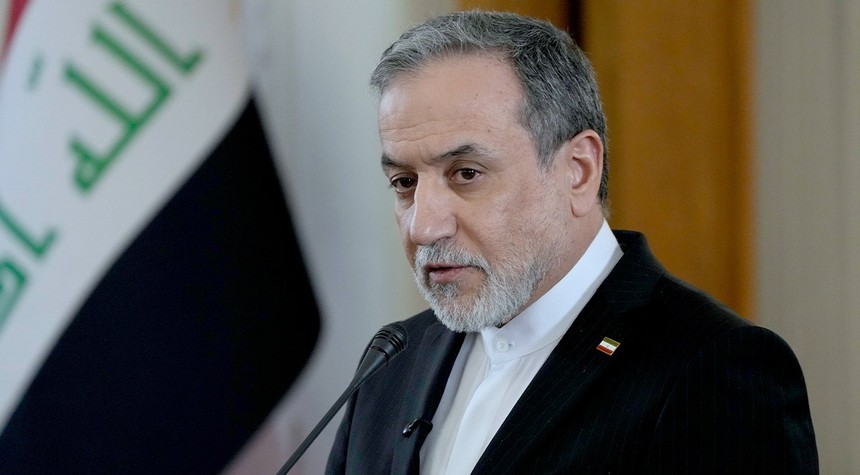
Iranian Foreign Minister Abbas Araghchi stated unequivocally in an interview that Tehran’s missile capabilities remain “never negotiable,” while simultaneously warning that U.S. military installations throughout the Middle East would face retaliation if Iran perceives provocation. These declarations came as American and Iranian negotiators concluded meetings in Oman earlier this month, talks that appear to have produced little substantive progress.
The diplomatic impasse unfolds against a backdrop of substantial American military reinforcement across the region. Washington maintains this buildup serves as deterrence against further escalation. However, the very presence of these forces underscores the considerable distance separating the two nations’ positions.
President Trump’s upcoming meeting with Israeli Prime Minister Benjamin Netanyahu in Washington will likely address these stalled negotiations and explore alternative approaches to containing Iranian ambitions.
The fundamental question confronting policymakers concerns whether Iran’s apparent confidence stems from realistic assessment or dangerous miscalculation. Despite facing a military adversary with vastly superior conventional capabilities, Tehran appears convinced it can outlast American resolve through asymmetric warfare strategies.
Defense analyst Rosemary Kelanic of Defense Priorities explained the Iranian calculation in terms of comparative commitment. In conflicts between mismatched powers, she noted, the weaker party often prevails by demonstrating greater willingness to endure costs. From Tehran’s perspective, the stakes represent existential threats to the regime’s survival, while American interests, though significant, do not rise to that level.
Iran’s leadership appears to be wagering that Washington’s tolerance for protracted conflict remains limited, particularly given domestic political considerations and competing global priorities.
Behnam Taleblu of the Foundation for Defense of Democracies identified Tehran’s primary leverage as its capacity to destabilize the broader Middle East. While acknowledging that American and Israeli defensive systems would intercept most Iranian attacks, he observed that perfect defense remains impossible. The prospect of regional conflagration, with its attendant risks to global energy supplies and international commerce, provides Iran negotiating weight disproportionate to its conventional military strength.
Analysts across the political spectrum increasingly view these negotiations not as genuine efforts toward compromise but rather as tactical maneuvers designed to forestall decisive action. Oren Kessler of the global consulting firm Wikistrat suggested both parties desire agreement in principle, yet their fundamental requirements remain incompatible.
The talks proceed, Kessler noted, but movement toward actual resolution remains elusive. Each side’s core security concerns represent red lines the other finds impossible to accept.
This assessment finds support from multiple quarters. Tehran appears to treat diplomatic engagement as protective cover rather than a pathway to meaningful concessions on matters it considers vital to regime security and regional influence.
The current situation presents American policymakers with an uncomfortable reality. Traditional diplomatic pressure combined with military deterrence has not produced the desired shift in Iranian behavior. Meanwhile, the clock continues its inexorable advance toward moments when decisions can no longer be deferred.
The international community watches these developments with considerable apprehension, understanding that miscalculation by either party could trigger consequences extending far beyond the immediate parties to this dispute.
Related: Hong Kong Media Mogul Jimmy Lai Sentenced to 20 Years Under National Security Law