
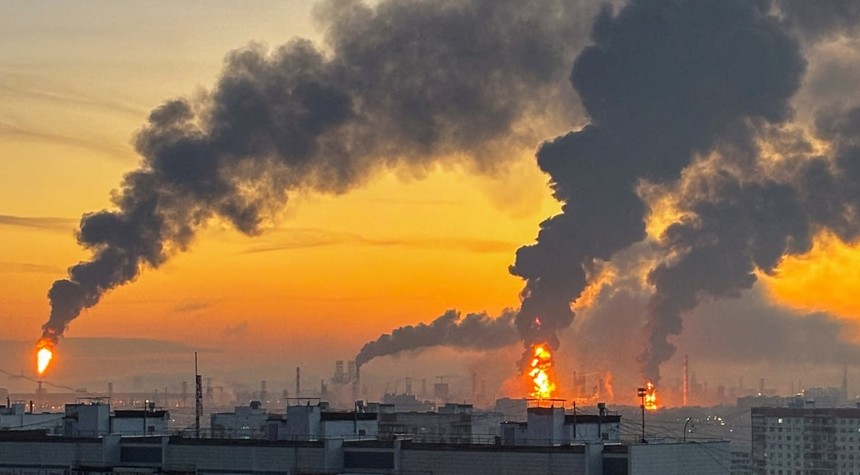
Ukraine has resumed strikes on Russian oil refineries, defying President Donald Trump’s demands for an energy ceasefire and deepening a rift between Washington and its embattled ally. The escalating dispute comes as the administration faces mounting pressure over rising gas prices ahead of next month’s midterm elections.
Ukrainian President Volodymyr Zelenskyy announced Thursday that Kyiv would no longer observe what Trump had termed an “energy ceasefire,” citing Russia’s continued attacks on Ukraine’s power infrastructure. In a sharply worded statement, Zelenskyy accused the United States of costing civilian lives through deals with Moscow and the withdrawal of support essential to Ukraine’s defense.
The President responded Thursday evening in an interview, stating that Ukrainian strikes on refineries serve only to drive up global oil prices. “I think that’s a disgrace. There’s plenty of other targets; they don’t have to hit,” Trump said, adding that Zelenskyy has proven “more difficult to deal with” than Russian President Vladimir Putin in negotiations to end the conflict.
The disagreement represents a significant shift in the American-Ukrainian relationship. For months, Kyiv’s campaign of strikes deep inside Russian territory has created what military analysts describe as a major fuel crisis within Russia, potentially providing Ukraine with crucial leverage at any future negotiating table. Ukrainian officials had hoped these operations would strengthen their position as Washington pushes for a diplomatic resolution.
However, recent American policy moves have caused alarm in Kyiv and among European allies. Last week, the administration announced an agreement to purchase diesel fuel from Russia, an apparent effort to ease pressure on American consumers at the pump but a stark reversal of longstanding U.S. policy. The President subsequently called for Ukraine to halt all strikes on Russian oil infrastructure and suggested that Zelenskyy should be replaced as Ukraine’s leader.
Zelenskyy traveled to Brussels on Friday to meet with European allies, whom he pointedly referred to as “real leaders” at the summit. The timing of his visit underscores Ukraine’s efforts to shore up support as its relationship with Washington deteriorates.
Adding to Ukrainian concerns are reports of disruptions to the Starlink satellite service, which Ukrainian forces rely upon for military communications, and apparent gaps in intelligence sharing that have left Kyiv vulnerable. Ukraine reported that two major Russian strikes earlier this week occurred without the advance warning typically provided by American intelligence services.
Neither Moscow nor Kyiv reported new strikes on Russian refineries on Friday following Thursday’s attacks. Ukraine struck at least one major Russian oil facility after Zelenskyy declared the energy truce over, though both sides in the conflict appeared to have been surprised when Trump initially announced the ceasefire agreement.
The administration has sought to attribute rising diesel prices to Ukrainian strikes, though analysts note the impact of ongoing American military operations in Iran. The confluence of these factors has created a complex political calculation for the White House as midterm elections approach.
The dispute raises fundamental questions about American commitment to Ukraine’s defense and the broader implications for Western unity in confronting Russian aggression. European allies have watched these developments with growing unease, as the American position appears to shift toward accommodation with Moscow at Ukraine’s expense.
What remains clear is that this conflict between Washington and Kyiv represents more than a tactical disagreement over targeting decisions. It reflects deeper tensions over the conduct of the war and Ukraine’s sovereignty in making military decisions essential to its survival.
Related: Queensland Government Reverses Course with Controversial Labor Legislation