
Ukrainian officials arrived in Washington this week for what may prove to be the most substantive negotiations yet toward ending the war that has consumed their nation for more than three years.
The talks, which began Friday under the direction of special envoy Steve Witkoff and presidential adviser Jared Kushner, center on what administration officials describe as a comprehensive new proposal addressing all aspects of the conflict. This represents a departure from previous negotiating efforts that focused on narrower issues.
President Volodymyr Zelenskyy announced that Ukraine’s delegation includes Defense Minister Rustem Umerov, Foreign Intelligence Service chief Kyrylo Budanov, and the head of the presidential office. The two-day session marks what Zelenskyy himself characterized as a possible new phase in diplomatic efforts.
“We see on the part of the United States of America an intensification of talks and meetings,” Zelenskyy told reporters. “I myself have spoken with the American side three times in recent days, and I hope for a good result from our negotiators’ meeting.”
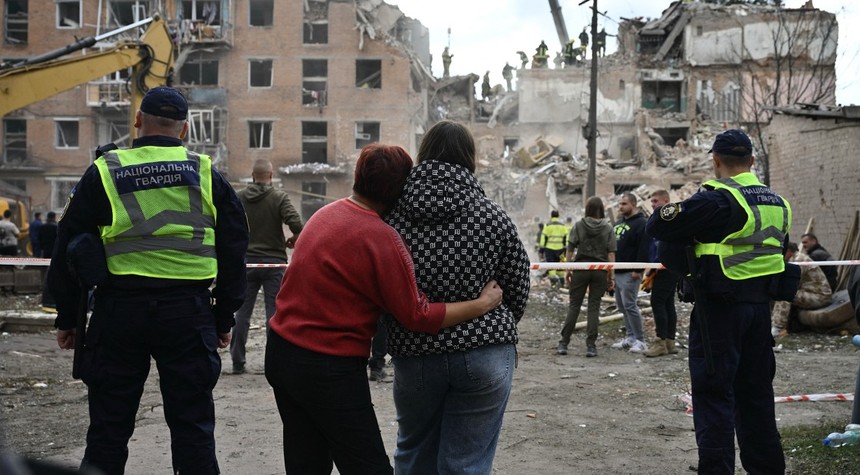
The diplomatic push comes as both nations continue to suffer casualties from aerial bombardment. Russian strikes killed at least 21 people and wounded 60 across Ukrainian territory in recent days, underscoring the human cost of the ongoing military stalemate.
The fundamental obstacle remains unchanged. Russia’s President Vladimir Putin has stated clearly his intention to seize the entire Donbas industrial region in eastern Ukraine. Ukrainian forces currently control portions of this territory, and Zelenskyy has consistently refused to surrender these areas, arguing that any territorial concession would simply provide Putin a staging ground for renewed aggression. Russia presently occupies approximately one-fifth of Ukraine’s sovereign territory.
President Trump pledged during his campaign to bring a swift conclusion to the conflict that began with Russia’s full-scale invasion in February 2022. Despite multiple rounds of talks since the administration took office, progress has been elusive.
Secretary of State Marco Rubio offered a sobering assessment Thursday, warning that prolonged stalemates present inherent dangers. Such deadlocks, he noted, resolve themselves either through negotiated settlement or through escalation, which in this case “could wind up being a sabotage campaign in neighboring countries that are members of NATO.”
European leaders are increasingly anxious about precisely such expansion of hostilities onto the continent. Rubio made clear the administration’s position that no military solution exists to this conflict.
“We think this war needs to end in a negotiated settlement,” Rubio stated. “The sooner, the better.”
However, in remarks to a Greek newspaper, Rubio acknowledged that “there don’t seem to be prospects of a negotiated settlement” at present. Kremlin spokesman Dmitry Peskov responded by agreeing with that assessment, according to Russian state media.
The current diplomatic initiative follows a trip last month by Witkoff and Kushner to both Moscow and Kyiv, marking the first time American envoys visited the Ukrainian capital under this administration’s peace efforts. No breakthrough emerged from those meetings.
The challenge facing negotiators remains formidable. How does one broker peace between a nation fighting for its territorial integrity and an aggressor state that has repeatedly demonstrated its willingness to violate international norms? The answer, if one exists, may emerge from these Washington meetings. What is certain is that every day without progress means more casualties, more destruction, and greater risk of a wider European conflict.
Related: Former Venezuelan President Maduro Faces Torture Charges in Manhattan Federal Court