
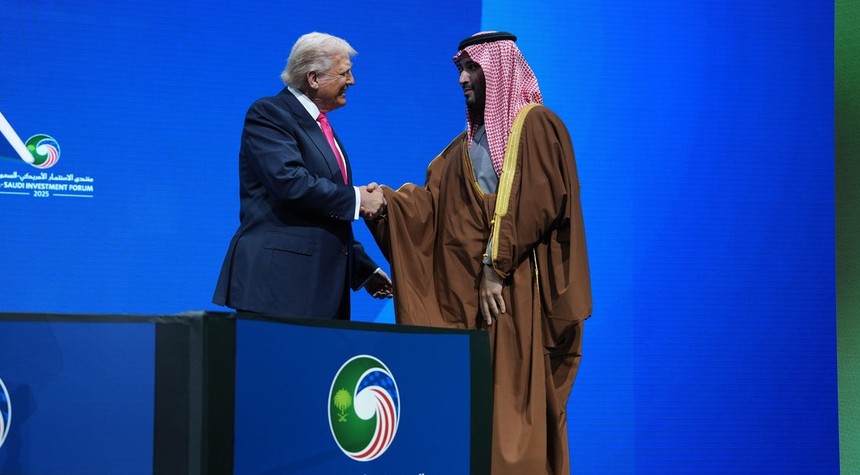
The United States has entered into a significant nuclear cooperation agreement with the Kingdom of Saudi Arabia, marking a substantial development in Middle Eastern energy policy and American strategic interests in the region.
Energy Secretary Chris Wright and Saudi Minister of Energy Prince Abdulaziz bin Salman formalized the agreement Wednesday in Washington, establishing the framework for what the Department of Energy characterizes as a peaceful nuclear cooperation program. The arrangement includes comprehensive safeguard provisions designed to ensure the program remains strictly civilian in nature.
This agreement represents the culmination of years of diplomatic discussions regarding Saudi Arabia’s energy future. The partnership will enable American companies to assist in developing nuclear energy capacity on Saudi soil, with the stated purpose of meeting the kingdom’s growing electricity demands, including power requirements for modern infrastructure such as artificial intelligence data centers.
The economic implications are considerable. The Department of Energy projects this could develop into a multibillion-dollar partnership, bringing substantial contracts to American nuclear technology firms while addressing Saudi Arabia’s long-term energy security concerns.
Secretary Wright emphasized the nonproliferation safeguards built into the framework. “These agreements reflect our two nations’ shared commitment to strengthening U.S.-Saudi commercial relations, delivering prosperity at home and security to our allies abroad,” Wright stated. He assured that the agreements maintain the highest standards of nuclear safety and nonproliferation while utilizing American nuclear technology and expertise.
The most sensitive aspect of this arrangement involves the potential for uranium enrichment on Saudi territory. However, sources familiar with the negotiations indicate such enrichment would only proceed after extensive studies and would be conducted by contracted corporations under strict oversight protocols. American officials will require comprehensive monitoring mechanisms before any enrichment activities commence.
The full text of the agreement has not yet been made public. The Energy Department confirmed the deal will be submitted to Congress for the required review period, allowing lawmakers to examine the terms and safeguards in detail.
This development arrives at a pivotal moment in Middle Eastern geopolitics. Saudi Arabia has long expressed interest in developing nuclear energy capabilities, citing both energy diversification and regional security considerations. The kingdom has watched neighboring nations pursue nuclear programs and sought to establish its own civilian nuclear infrastructure.
For the United States, this agreement serves multiple strategic objectives. It strengthens the longstanding alliance with Saudi Arabia, provides American companies with significant commercial opportunities, and potentially reduces Saudi dependence on fossil fuels for domestic energy consumption, thereby freeing additional oil for export markets.
Critics will undoubtedly scrutinize the enrichment provisions, given historical concerns about nuclear proliferation in the Middle East. The administration’s challenge will be demonstrating that safeguards are sufficiently robust to prevent any diversion of nuclear materials or technology toward weapons development.
The agreement also reflects the Trump administration’s broader approach to Middle Eastern diplomacy, seeking to deepen economic and security ties with traditional allies in the region. Whether this nuclear cooperation framework can withstand congressional scrutiny and satisfy nonproliferation advocates remains to be seen.
And that is the situation as it stands this evening.
Related: Seventeen US Service Members Lost as Iran War Costs Reach $37.5 Billion