
Ukraine stands prepared to formalize a significant drone defense agreement with the United States, though the timing of this landmark arrangement remains uncertain as both nations work toward final terms.
Ukrainian President Volodymyr Zelenskyy has indicated readiness to sign the agreement during this week’s United Nations General Assembly proceedings in New York City. However, sources familiar with the negotiations indicate the signing may be postponed until the United States completes its internal preparations.
Over the past year, the Department of Defense and its Ukrainian counterpart have quietly developed a framework designed to expand testing and production of Ukrainian defense technology on American soil. This represents a notable shift in defense procurement and partnership strategy between the two nations.
The strategic importance of this partnership became unmistakably clear through recent events in the Middle East. When Iran launched retaliatory operations against American military installations throughout the region, they employed Shahed one-way attack drones. These are the same Iranian-designed weapons that Russia has deployed against Ukrainian cities throughout the ongoing conflict.
The initial American and Gulf state responses revealed a troubling gap in defensive capabilities. Neither possessed cost-effective countermeasures against these relatively inexpensive attack drones. Ukraine, having faced this threat for months, dispatched drone interceptors and experienced pilots to assist American forces.
This practical battlefield assistance has translated into broader diplomatic and commercial opportunities for Ukraine. The nation has subsequently negotiated defense agreements with Saudi Arabia, Qatar, and the United Arab Emirates, among other countries. These arrangements connect foreign financing with Ukraine’s rapidly expanding defense manufacturing sector.
President Zelenskyy has announced an ambitious goal of producing ten million drones this year. To place this figure in perspective, the United States Army acquired approximately fifty thousand drones in 2025, according to former Army Secretary Dan Driscoll.
Yet defense analysts emphasize that the true value of Ukrainian expertise extends beyond mere hardware production. The critical advantage lies in the software systems, trained operators, and adaptive teams that continuously refine these technologies based on battlefield experience.
Previously undisclosed details from the opening phase of the Iran conflict demonstrate this reality. In March, as Iranian retaliation intensified, then-Army Secretary Driscoll contacted Eric Schmidt, the former chief executive of Google. Schmidt has since founded Perennial Autonomy, an American drone manufacturer actively engaged in Ukraine.
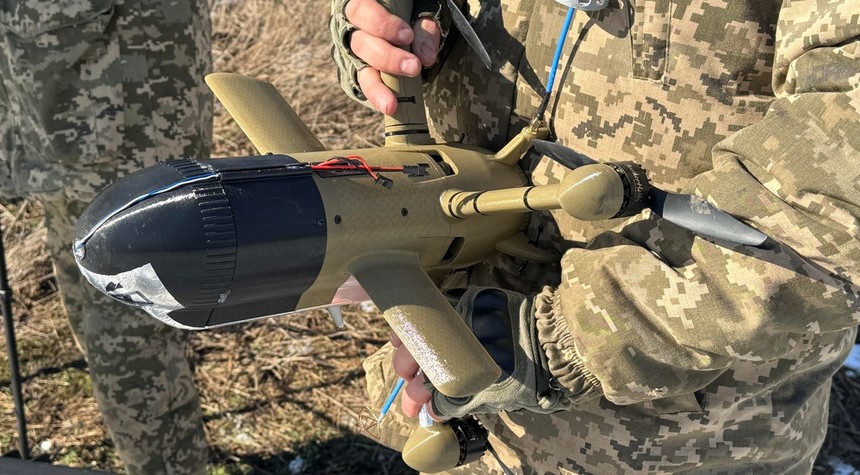
Perennial Autonomy produces the Merops interceptor drone, which has proven among the most effective countermeasures against the Iranian-designed Shahed drones employed by Russian forces. Driscoll requested thirteen thousand Merops interceptor drones and ten thousand Bumblebee reconnaissance and strike drones for immediate deployment to the Middle East. Schmidt agreed, and the drones were dispatched to American military units.
This episode illustrates a broader transformation in defense thinking. American venture capital firms have begun investing in Ukrainian defense technology companies, recognizing that combat-tested innovation offers advantages that peacetime development cannot replicate.
The emerging partnership between American resources and Ukrainian battlefield experience represents a pragmatic response to evolving threats. As unmanned systems assume greater importance in modern warfare, nations that master both the technology and its tactical employment will possess significant advantages.
The pending agreement, whenever finalized, will formalize cooperation that already exists in practice. It represents an acknowledgment that effective defense in the modern era requires not simply acquiring technology, but understanding how experience shapes its effective use.
Related: Democratic Veterans Press Trump to Confront China Over Iranian Satellite Support