
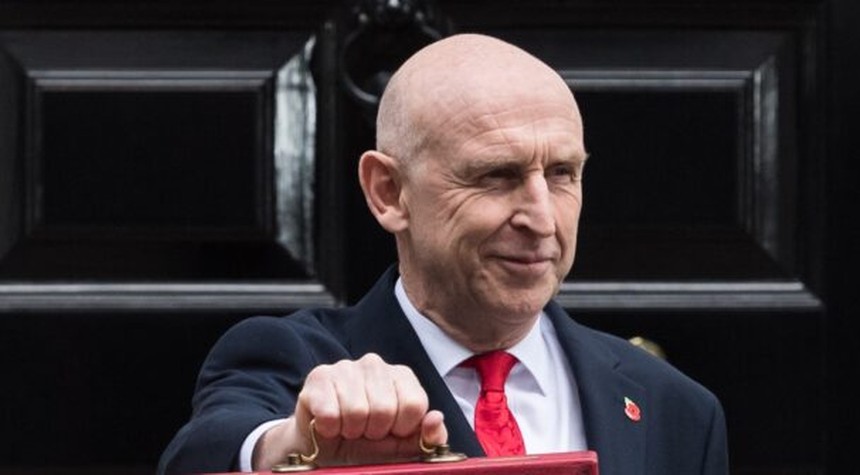
Britain finds itself at a fiscal crossroads as Chancellor John Healey delivered his autumn budget to the House of Commons on Wednesday, announcing substantial tax increases even as welfare expenditures continue their upward trajectory.
The Chancellor outlined plans to raise taxes on income derived from savings and property by two percentage points beginning in April, bringing rates to 24 percent, 44 percent, and 49 percent depending on income level. Notably, taxes on employment income and dividends will remain unchanged. Additionally, the levy on bank profits exceeding one hundred million pounds will double from three to six percent.
These revenue measures arrive against a backdrop of unprecedented welfare expansion. Current projections indicate Britain’s welfare spending will reach 431.3 billion pounds annually by 2031. The composition of this spending raises important questions about fiscal sustainability and demographic change. Estimates suggest direct welfare payments to migrants alone will approach 21 billion pounds per year by 2029. The long-term fiscal implications are sobering. Analysis of migration patterns between 2020 and 2024 projects a cumulative lifetime cost to British taxpayers of 622.5 billion pounds.
The budget reflects competing priorities that will test Britain’s fiscal resilience. Chancellor Healey announced an additional 10 billion pounds in economic and military aid for Ukraine, declaring that Britain will stand with Kyiv for as long as necessary. While this commitment addresses urgent geopolitical concerns, it pales beside the 14 billion pounds in additional debt interest payments the Office for Budget Responsibility projects for this year alone.
The rising cost of servicing Britain’s national debt represents perhaps the most concerning element of the fiscal picture. As interest obligations consume an ever-larger portion of government revenue, the room for policy flexibility diminishes accordingly.
On the domestic front, the Chancellor announced 430 million pounds in additional funding to address unsheltered homelessness. Combined with the 442 million pounds pledged last August, the Labour government will have committed at least 874 million pounds to this issue by the end of its term.
The minimum wage will increase by 3.9 percent, reaching 13 pounds per hour for the first time in British history. The economic effects of this policy will unfold in the months ahead, particularly for small businesses operating on narrow margins.
In response to elevated energy costs, the government will provide a one-time payment of 100 pounds to approximately 20 million households. Critics argue this measure falls short of addressing the underlying challenge. Simon Francis of the End Fuel Poverty Coalition noted that wholesale gas prices have tripled since February, with further increases expected. He characterized the payment as insufficient to offset predicted January price rises, particularly given that this marks the sixth consecutive winter of elevated energy costs.
The budget encapsulates the fundamental tension facing Britain’s Labour government. Tax increases alone cannot bridge the gap between expanding commitments and finite resources. The welfare state continues its growth, foreign aid obligations mount, and debt service costs accelerate. Meanwhile, British households face the squeeze of higher taxes and persistent inflation.
The path forward requires difficult choices about the proper scope and sustainability of government programs. Britain’s fiscal future depends not merely on raising revenue, but on confronting fundamental questions about spending priorities and the limits of state capacity. That is the way it is.
Related: Neither Netanyahu Nor Opposition Secures Victory in Deadlocked Israeli Election