
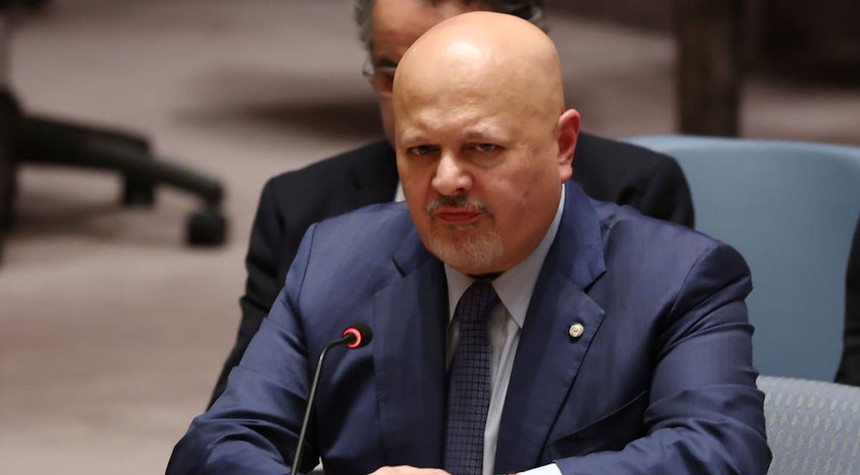
New evidence has emerged suggesting potential foreign interference in the International Criminal Court’s decision-making process regarding arrest warrants for Israeli Prime Minister Benjamin Netanyahu. A witness statement submitted to the Federal Bureau of Investigation alleges that the government of Qatar offered to “look after” ICC Prosecutor Karim Khan in exchange for pursuing the warrants against the Israeli leader.
The allegations, supported by audio recordings that investigators have reviewed, paint a troubling picture of possible external influence on what should be an independent judicial process. According to the witness account, these promises of protection came at a critical juncture when Khan was reportedly experiencing hesitation about moving forward with the controversial warrants.
The recorded conversations, as detailed in the witness statement, capture what appears to be a moment of vulnerability for the prosecutor. “I want to issue the warrant, but I’m terrified to do it,” Khan allegedly told intermediaries during one exchange. The response, attributed to voices connected with the Qatari state, was direct: “If you do it, then we’ll look after you.”
These revelations arrive at an already difficult time for Khan, who took a leave of absence in May amid separate controversies. The new allegations add a significant layer of geopolitical complexity to questions about the ICC’s independence and the integrity of its proceedings.
The implications of these claims extend far beyond the immediate question of the Netanyahu warrants. They raise fundamental concerns about the susceptibility of international judicial institutions to pressure from nation-states with particular foreign policy objectives. Qatar has long maintained a complex relationship with various actors in the Middle East, including providing financial support to Hamas-controlled Gaza, while simultaneously hosting American military facilities and positioning itself as a regional mediator.
For those who have questioned the ICC’s legitimacy and objectivity, particularly regarding cases involving Israel, these allegations may confirm long-held suspicions about political motivations driving prosecutorial decisions. The United States has historically maintained a skeptical stance toward the ICC, refusing to grant it jurisdiction over American citizens and questioning its authority.
The witness statement now in the hands of American federal investigators represents a potentially significant development in understanding how international judicial processes may be vulnerable to influence from interested parties. The FBI’s involvement suggests that American authorities are taking these allegations seriously, though the bureau has not publicly commented on any ongoing investigation.
As this story develops, it will be essential to determine the authenticity and context of the audio recordings, the credibility of the witness, and whether any formal investigation will be launched into the alleged quid pro quo arrangement. The integrity of international justice depends upon the independence of its institutions from precisely the kind of political pressure these allegations describe.
The international community now faces difficult questions about the mechanisms in place to protect judicial independence at institutions like the ICC, and whether current safeguards are sufficient to prevent the kind of influence that these witness statements allege occurred.
Related: German Chancellor Merz Questions American Strategy in Iran Conflict as Gas Prices Rise