
The Australian government has elevated its travel advisory for Laos following a methanol poisoning incident that claimed the lives of six foreign nationals, including two Australian teenagers, raising serious questions about accountability in a nation where justice often moves in shadows.
Authorities in Laos have charged a local distillery owner in connection with the November poisoning deaths, but the maximum sentence stands at merely three months imprisonment. This development has prompted swift action from Canberra, which now advises its citizens to exercise heightened caution when traveling to the Southeast Asian nation.
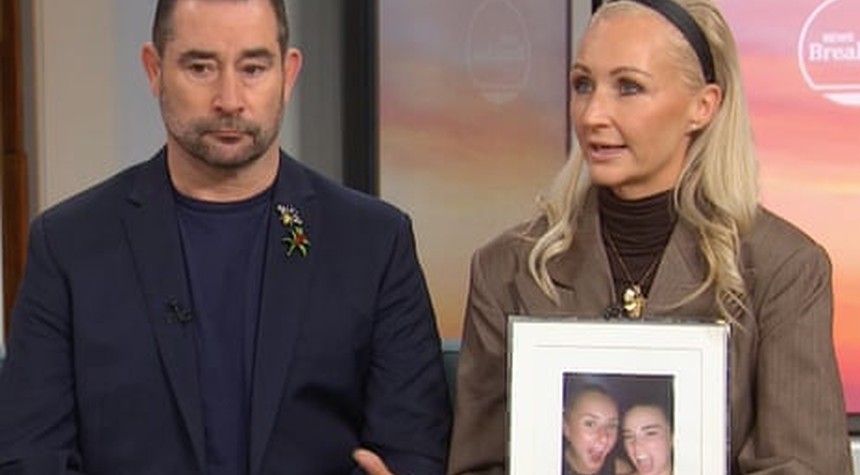
Bianca Jones and Holly Morton-Bowles, both nineteen years of age, died after consuming methanol-tainted beverages at the Nana Backpackers Hostel in Vang Vieng during what should have been an adventure through Southeast Asia. The incident also claimed the lives of two Danish women, a British woman, and an American man, underscoring the international scope of this tragedy.
The Australian government’s Smartraveller service has updated its guidance, now warning travelers about three distinct concerns: criminal activity, the risk of methanol poisoning, and what officials describe as an ongoing lack of transparency within the Laotian justice system. This latter point carries particular weight given the seemingly lenient charges filed against the distillery owner.
Methanol poisoning represents a persistent danger in developing nations where regulatory oversight of alcohol production remains inconsistent at best. Unlike ethanol, which is safe for human consumption, methanol is a toxic industrial alcohol sometimes used to fortify or substitute for legitimate spirits. Even small quantities can cause blindness, organ failure, and death.
The tragedy in Vang Vieng has exposed critical gaps in consumer protection that extend far beyond Laos. Backpackers and budget travelers throughout Southeast Asia frequently encounter establishments where the provenance of alcoholic beverages remains uncertain. The economics are straightforward and grim: methanol costs significantly less than ethanol, creating a perverse incentive for unscrupulous operators to cut corners.
What troubles many observers is not merely the incident itself, but the apparent inadequacy of the legal response. A three-month maximum sentence for charges connected to six deaths strikes many as fundamentally insufficient to serve either justice or deterrence. This disparity between the severity of the crime and the proposed punishment highlights broader concerns about the rule of law in nations where foreign tourists generate substantial revenue yet receive questionable protection.
The Australian government’s decision to raise its travel advisory level represents a measured but significant diplomatic signal. Such warnings carry economic implications for destination countries, as they influence travel decisions and insurance coverage. Whether this pressure will prompt reforms in Laos remains to be seen.
For the families of Bianca Jones and Holly Morton-Bowles, no sentence would prove adequate. Their daughters embarked on a journey of discovery and adventure, a rite of passage for countless young Australians. Instead, they encountered a preventable tragedy born of negligence and inadequate regulation.
The international community now watches to see whether Laos will address the systemic failures that enabled this incident, or whether the minimal charges represent the extent of accountability travelers can expect in a nation where transparency remains elusive.
Related: Trump Pushes Voter Citizenship Requirements as Senate Republicans Remain Divided