
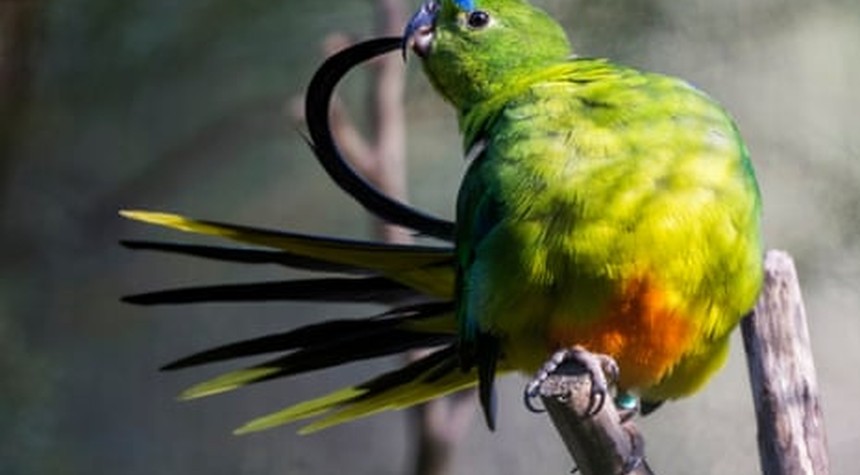
Australia has commenced a vaccination program for native bird species held in captivity as the H5 bird flu continues its relentless spread across the continent, marking a significant escalation in the nation’s response to this agricultural and environmental crisis.
Federal Agriculture Minister Julie Collins announced Tuesday that vaccinations would begin within the coming days and weeks, prioritizing endangered native species currently housed in zoos and conservation breeding facilities. State governments will administer the program and identify specific target species in the near future.
The decision represents a pragmatic acknowledgment of the government’s limited capacity to halt the virus’s transmission among wild bird populations. Minister Collins stated plainly that authorities cannot prevent H5 from spreading in the wild, but they can take decisive action to protect the most vulnerable species.
The minister delivered a sobering warning to the Australian public: expect to see increased spread and larger numbers of dead birds, including mass mortality events, in the months ahead. This frank assessment underscores the gravity of the situation facing the nation’s wildlife.
The vaccination program will concentrate on captive endangered species participating in conservation breeding programs. Among the birds likely to receive priority are the orange-bellied parrot, the regent honeyeater, and Western Australia’s black cockatoos. These species represent critical components of Australia’s unique biodiversity, and their loss would constitute an irreplaceable blow to the nation’s natural heritage.
Federal Environment Minister Murray Watt addressed the considerable logistical challenges facing any attempt to vaccinate wild bird populations. The vaccination protocol requires two separate doses, and capturing wild birds once presents enough difficulty without the necessity of a second capture for the follow-up dose. Nevertheless, Watt indicated that where circumstances permit the vaccination of wild birds, authorities will pursue that option.
The H5 bird flu strain has demonstrated remarkable transmissibility across multiple continents in recent years, devastating both domestic poultry operations and wild bird populations. Australia’s geographic isolation provided temporary protection, but the virus has now established itself within the country’s borders.
The economic implications extend beyond conservation concerns. Australia’s poultry industry faces potential disruptions, and agricultural officials must balance disease containment with the practical realities of food production and export markets.
Australia’s Chief Veterinary Officer Beth Cookson has been coordinating the federal response, though the decentralized nature of the vaccination program places implementation responsibility with state authorities. This division of labor reflects Australia’s federal system but may present coordination challenges as the crisis develops.
The situation demands continued vigilance from agricultural producers, wildlife managers, and the general public. Dead birds should be reported to authorities rather than handled directly, as the virus can pose risks to human health in certain circumstances.
As this crisis unfolds, the Australian government’s response will test the nation’s capacity to protect its unique wildlife while managing a disease that has proven extraordinarily difficult to contain elsewhere in the world. The coming weeks will reveal whether this vaccination strategy can preserve endangered species that exist nowhere else on Earth.
Related: Daniel Kinahan Returns to Ireland After UAE Refuses to Block Extradition