
And that is the way it is in Britain today, where a government finds itself at odds with its own citizenry over the fundamental right to speak freely.
The National Council for Civil Liberties, known as Liberty and operating since 1934, has released polling data that should give pause to any democratic government. The numbers tell a sobering story: fifty-eight percent of British voters report that a political party’s stance on free speech will influence their vote in the next General Election. More significantly, twenty-seven percent say this issue will strongly drive their decision at the ballot box.
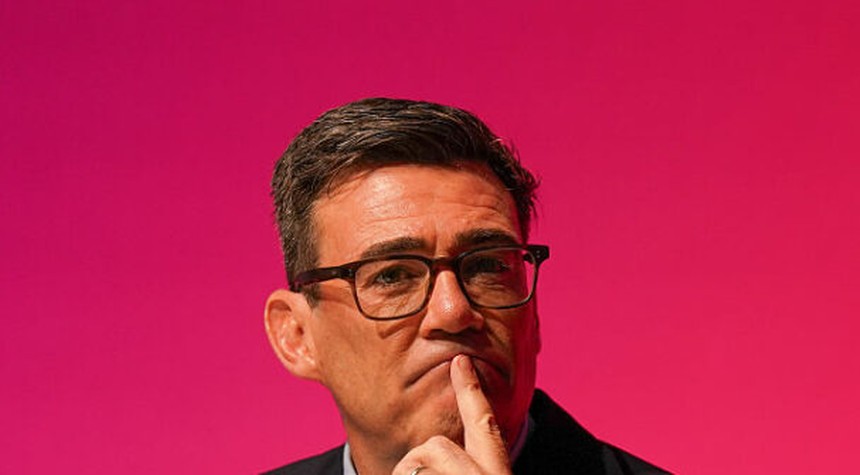
The crackdown on what some have termed “hate marches” lies at the center of this growing discontent. Prime Minister Andy Burnham, who recently succeeded Sir Keir Starmer, appears to have inherited not just the office but the same approach to civil liberties that troubled voters under his predecessor. The polling suggests the British public sees little difference between the two Labour leaders on this crucial matter.
The Liberty study, conducted in partnership with More in Common, focused particularly on the government’s treatment of pro-Palestine demonstrations. The declaration of Palestine Action as a terrorist organization serves as one flashpoint in this broader debate about the limits of acceptable dissent. Fifty-two percent of respondents characterized politicians labeling these gatherings as “hate marches” as harmful to freedom of speech. Forty-three percent viewed the arrest of individuals displaying signs supporting the group as similarly troubling.
Most revealing is the public’s divided response to outright bans on such protests. The electorate splits almost evenly into thirds: one third believes banning protests actually supports free speech, another third considers it damaging, and the final third remains uncertain. This confusion suggests a citizenry grappling with complex questions about where legitimate restrictions end and censorship begins.
Liberty’s director has issued what amounts to a warning shot across the government’s bow. The statement acknowledges that a diverse nation must sometimes tolerate uncomfortable viewpoints that may offend or upset others. The call is for consistency, for a non-partisan approach that protects everyone’s right to speak while guarding against discrimination.
The irony cannot escape notice that Liberty’s appeal focuses primarily on protecting left-wing demonstrators rather than advancing a universal principle of free expression. The research concentrates on pro-Palestine activists while leaving unaddressed whether similar protections should extend to those with dissenting political views across the spectrum.
Yet the underlying message transcends partisan concerns. When nearly six in ten voters say a party’s position on free speech will affect their vote, any government ignoring that reality does so at its peril. The British public appears to be drawing a line, asserting that certain liberties remain non-negotiable regardless of the political convenience of the moment.
For a Labour government that came to power promising change, these numbers represent a sobering assessment. The challenge before Prime Minister Burnham is clear: demonstrate that his administration understands the difference between maintaining public order and suppressing public discourse. The voters, it seems, are watching carefully and keeping score.
Related: Iran Warns of Readiness for War as Hormuz Strait Negotiations Stall