
The wheels of international justice turned this weekend as Daniel Kinahan, the alleged architect of a sprawling criminal enterprise, departed Dubai for Ireland to answer for charges that span three continents.
Kinahan, 49, is accused of directing an organized crime syndicate whose operations extended from Ireland to Britain, Spain, and the United States. An Irish military aircraft carrying the suspect was scheduled to arrive Sunday evening at an airport outside Dublin, following the United Arab Emirates court system’s decision not to intervene in his extradition.
Upon landing, authorities plan to transport Kinahan directly to Dublin’s Special Criminal Court, where he will face formal charges of directing an organized crime group. From there, he will be remanded to Portlaoise Prison, a high-security facility located approximately 90 miles southwest of the capital.
The Special Criminal Court represents a unique feature of Ireland’s judicial system. Established to handle cases involving organized crime, terrorism, and other matters where conventional courts may prove inadequate, the court operates without juries. Instead, panels of three judges preside over proceedings, a structure designed to ensure what Irish law describes as the effective administration of justice.
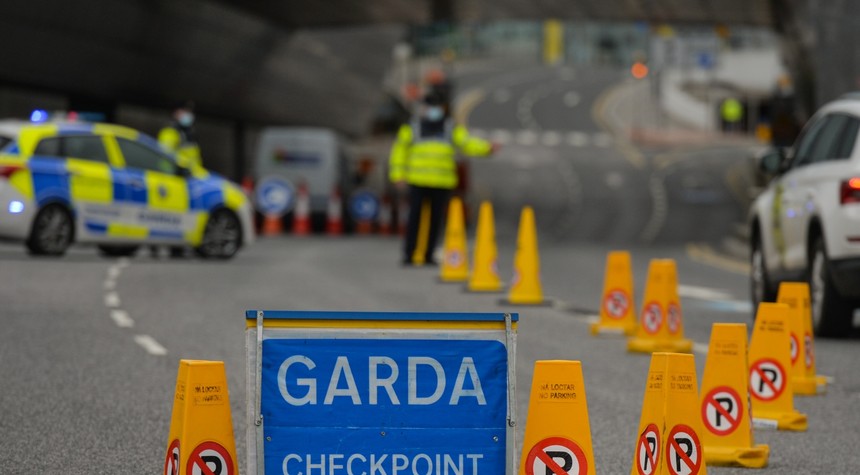
The security measures surrounding Kinahan’s return underscore the gravity with which Irish authorities view this case. A coordinated operation involving armed police, military personnel, and prison service officials has been deployed. Recent acquisitions by the prison service include a bomb-proof escort van, specifically designed to transport high-risk prisoners, organized crime suspects, and terrorism defendants.
These extraordinary precautions are not merely procedural. The Kinahan organization allegedly remains embroiled in a violent conflict with a rival Irish criminal group, a feud that has reportedly claimed lives since February of recent years. The ongoing nature of this gang warfare necessitates heightened vigilance throughout the judicial process.
The international scope of the alleged criminal enterprise highlights the increasingly transnational nature of organized crime in the modern era. Drug smuggling and money laundering operations that cross multiple jurisdictions require corresponding cooperation between law enforcement agencies across borders. The successful extradition from Dubai represents such cooperation in action.
Ireland’s willingness to deploy military aircraft for the transfer, combined with the substantial security apparatus being mobilized, signals the government’s determination to ensure Kinahan faces trial. The use of the Special Criminal Court, rather than ordinary criminal proceedings, further demonstrates the seriousness with which Irish authorities approach this prosecution.
As Kinahan prepares to answer these charges, the case serves as a reminder that even sophisticated international criminal networks operating across continents cannot indefinitely evade accountability. The cooperation between Irish authorities and their counterparts in the United Arab Emirates has brought a man accused of directing a significant criminal enterprise back to face justice in his home country.
The coming proceedings in Dublin’s Special Criminal Court will test the strength of the prosecution’s case and determine whether the evidence supports the serious allegations against Kinahan. For now, the focus remains on ensuring his safe transfer and the orderly administration of justice in what promises to be one of Ireland’s most significant organized crime prosecutions in recent memory.
Related: Tehran Dismisses Negotiations While Trump Maintains Economic Pressure Campaign