
The Australian Coalition has acknowledged its newly announced immigration policy has not received complete costing analysis from the Parliamentary Budget Office, despite repeated assurances from senior party members that the plan is fiscally sound.
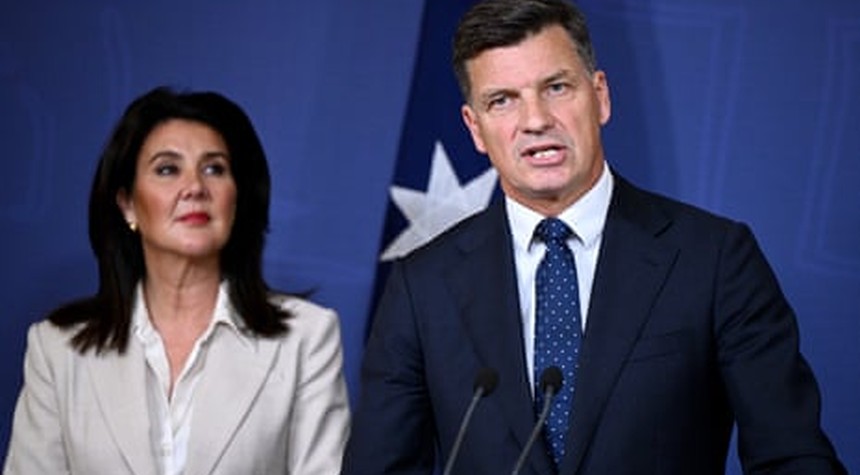
Shadow Treasurer Angus Taylor and Deputy Liberal Leader Jane Hume have maintained the Coalition “worked closely” with the independent budget watchdog on their proposal to reduce net overseas migration to 100,000 annually for two years. The plan, unveiled Tuesday, would increase those numbers to 130,000 in year three and 160,000 in year four.
Taylor’s office has indicated the party intends to secure full costing before the next federal election. Internal modeling has been conducted, they say, and the Parliamentary Budget Office has been consulted regarding budget implications. However, Liberal sources confirm no comprehensive analysis has been completed by the office.
The Parliamentary Budget Office operates under strict confidentiality protocols regarding costings for members of parliament, though it reserves the right to clarify public statements that misrepresent its work. The office declined to comment Wednesday on the Coalition’s claims.
“We’ve been working closely with the Parliamentary Budget Office on analysis of our initiatives and we are confident that this package is budget neutral,” Taylor stated when announcing the policy. He characterized the Coalition’s approach as equivalent to standard government practice while criticizing Labor for withholding modeling.
A policy document released by the Coalition indicates work with the budget office to assess the plan’s fiscal impact, concluding it would generate a modest positive return. When pressed Wednesday on the absence of formal budget office costings, Taylor told a television interviewer the Coalition had released its budget analysis outcomes and declared the policy budget neutral.
The immigration reduction proposal has drawn sharp criticism from the business community and university sector. Industry leaders warn the cuts appear arbitrary and potentially damaging to the economy, likely worsening existing shortages in critical sectors including healthcare and aged care.
Acting Prime Minister Richard Marles delivered a pointed response during a visit to Perth, suggesting the Coalition’s approach prioritizes political positioning over national interest. “What we see from the Liberal party is actually policy chasing One Nation rather than policy in the national interest,” Marles said.
He emphasized immigration’s central role in Australia’s economic framework, acknowledging the need for managed reductions while maintaining support for vital sectors including defense.
The immigration debate reflects mounting public concern over housing availability and pressure on essential services. Both Labor and One Nation have signaled intentions to reduce international arrivals, seeking to address what they perceive as growing anti-migration sentiment among voters.
The Coalition’s decision to announce policy details before securing comprehensive Parliamentary Budget Office analysis raises questions about the thoroughness of their fiscal planning. In an era demanding transparency and accountability from government and opposition alike, incomplete costings invite legitimate scrutiny.
As Australia approaches its next federal election, immigration policy stands as a defining issue. The Coalition’s approach suggests confidence in public support for reduced migration numbers, yet the absence of full independent analysis undermines the credibility necessary for informed democratic debate.
The matter now rests on whether voters will accept internal modeling as sufficient justification for significant policy shifts, or demand the independent verification that parliamentary institutions exist to provide.
Related: US Forces Implement Emergency Restrictions Following Death of Japanese Woman