
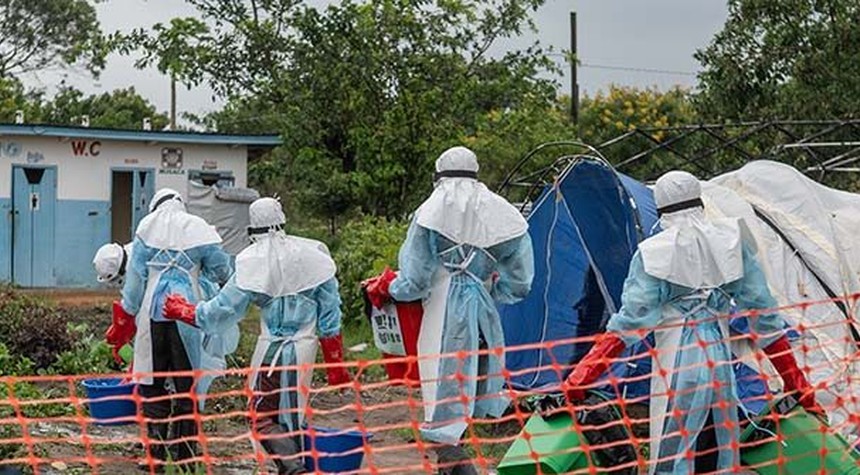
Brazilian and Italian health authorities activated emergency protocols this weekend following concerns that travelers from Central Africa might have carried the Ebola virus to their shores. The incidents, though ultimately ruled out as Ebola infections, underscore the persistent challenge of containing infectious disease in an era of global travel.
Brazilian officials confirmed on Saturday they were monitoring two suspected cases, both involving travelers who had recently arrived from the Democratic Republic of the Congo and Uganda, the current epicenter of an Ebola Bundibugyo outbreak. One traveler arrived in São Paulo from the DRC presenting with fever symptoms. The second case involved an individual who traveled to Rio de Janeiro from Uganda.
The current outbreak has primarily affected the Democratic Republic of the Congo, with over one thousand suspected infections reported. Nine confirmed cases have been documented in neighboring Uganda, raising concerns about regional spread.
Laboratory testing provided relief to Brazilian health officials by Sunday. The traveler from the DRC tested positive for meningitis rather than Ebola, while the individual from Uganda was confirmed to have malaria. The Ugandan traveler received a negative Ebola test result on Sunday. The patient from the DRC remained under observation as a potential Ebola case as of Monday, undergoing isolation at a specialized facility equipped to handle such infections.
The government of São Paulo sought to reassure the public, stating that technical assessments indicate the risk of Ebola being introduced to Brazil and South America remains very low. Both patients remained under quarantine as a precautionary measure.
A similar scenario unfolded in Cagliari, Sardinia, on Saturday when Italian authorities activated Ebola protocols for a patient who returned from the Congo exhibiting symptoms consistent with the disease. Medical personnel in hazmat suits transported the patient from their home while fire and police officers established a security perimeter.
The Italian Health Ministry confirmed the patient was placed in isolation at a hospital facility pending laboratory analysis. The Spallanzani Institute in Rome, which specializes in infectious disease testing, conducted the examination on Sunday and determined the patient was not infected with Ebola.
The Italian Health Ministry emphasized that the risk level in Italy remains very low following the negative test result.
These incidents demonstrate the effectiveness of existing health surveillance systems designed to identify and contain potential infectious disease threats before they can spread to the general population. The swift response by both Brazilian and Italian authorities, including immediate isolation and specialized testing, reflects lessons learned from previous Ebola outbreaks.
The ongoing outbreak in Central Africa continues to pose challenges for international health organizations working to contain the virus at its source. The appearance of suspected cases in distant countries, even when ultimately ruled out, serves as a reminder that infectious disease remains a global concern requiring constant vigilance and coordinated international response.
And that is the situation as it stands today.
Related: American Forces Strike Iranian Military Sites Following Drone Shootdown