
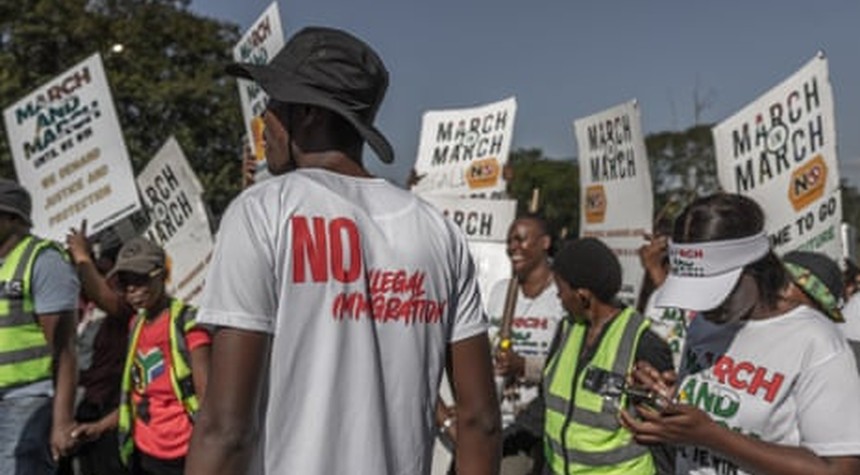
The facts on the ground in South Africa paint a troubling picture of violence and displacement, though the precise scope of the tragedy remains under dispute between neighboring governments.
South African police have confirmed the deaths of two Mozambican nationals, aged 27 and 43, in the coastal town of Mossel Bay, marking the first officially documented fatalities directly linked to the wave of anti-migrant protests sweeping across Africa’s most industrialized economy. Both victims died from multiple injuries sustained during assaults in an informal settlement approximately 235 miles east of Cape Town.
The Mozambique government, however, has reported a significantly higher death toll. In a statement issued Monday evening, Mozambican officials claimed that seven of their citizens had perished in violence that erupted Friday in Mossel Bay. According to their account, five deaths resulted directly from what they termed “xenophobic attacks,” while two others died in a road accident while attempting to flee back to Mozambique.
This discrepancy in reported casualties underscores the chaos and confusion surrounding these events. What remains undisputed is that violence has erupted, homes have been destroyed, and hundreds of foreign nationals are now seeking safety either through repatriation or temporary shelter.
The violence in Mossel Bay has claimed at least one South African life as well. Police discovered the body of an 18-year-old South African male in the early hours of Sunday morning. He had been stabbed to death under circumstances that remain unclear.
Local reports indicate that approximately 55 shacks were set ablaze during the unrest. Witnesses described scenes of terror, with some structures torched while residents remained inside. One Mozambican national, Dolinda Mabunda, recounted the harrowing experience: “We were still inside when people started burning down our house. I just took what I could and I ran.”
The immediate trigger for the Mossel Bay violence appears to have been allegations that construction companies were employing undocumented migrants, a charge that resonates with broader grievances among some South Africans who blame foreign workers for crime and unemployment. Mayor Dirk Kotzé expressed “deep concern and dismay at the current xenophobic attacks where people have been murdered, houses burned and families displaced.”
The situation in Mossel Bay represents merely one flashpoint in a broader pattern of anti-immigrant sentiment sweeping across South Africa. In recent weeks, protests against undocumented foreign nationals have intensified nationwide. Ghana evacuated approximately 300 of its citizens last week, while Nigeria has announced similar repatriation plans.
The Mozambique government reported that 300 of its nationals returned home Saturday. More than 500 others have been relocated to safe shelters in Western Cape Province, with repatriation efforts continuing as of June 1st.
South Africa’s position as the continent’s economic powerhouse has long made it a magnet for both legal and undocumented workers from across Africa. However, fringe groups have increasingly scapegoated these migrants during times of economic hardship. One citizen-led organization has demanded that all undocumented foreign nationals depart South Africa by June 30th, a deadline that appears to be fueling the current wave of violence.
The international community now watches closely as South Africa grapples with this crisis, one that tests both its commitment to regional stability and its ability to protect vulnerable populations within its borders.
Related: Iranian President Submits Resignation Following American Military Strikes