
The strategic waterways of the Persian Gulf have once again become the theater for a dangerous escalation between the United States and Iran, with maritime incidents multiplying and diplomatic channels appearing increasingly strained.
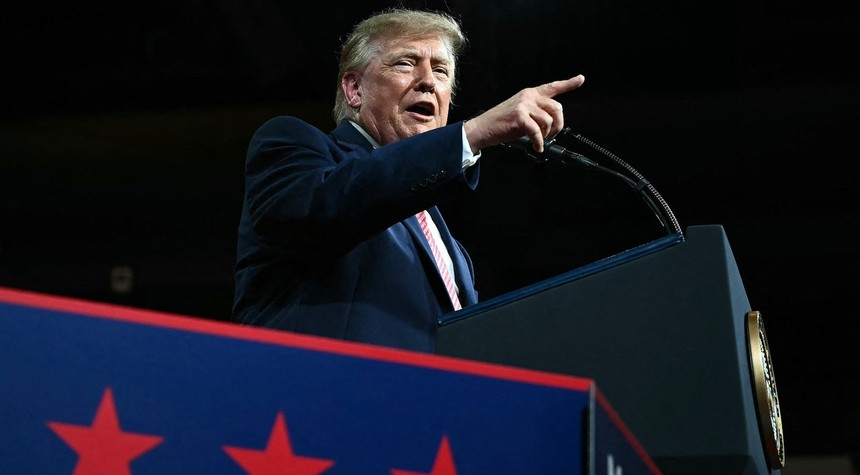
President Trump reiterated his firm stance that the Islamic Republic cannot be permitted to develop nuclear weapons capability, even as negotiations between Washington and Tehran have ground to a halt. The two nations had signed a memorandum of understanding this past June, intended to de-escalate hostilities. That optimism has since evaporated. Military strikes have been exchanged, and the situation has deteriorated to the point where fundamental facts about the region’s most critical shipping lane remain in dispute.
The United States maintains it has established an effective blockade preventing Iranian vessels from entering or leaving Iranian ports. Iran, for its part, insists that the Strait of Hormuz remains closed to international traffic. The truth likely lies somewhere between these competing claims, but what is certain is that commercial shipping through this vital artery has become perilously uncertain.
On Tuesday, the United Kingdom Maritime Trade Operations Centre confirmed a verified incident involving a tanker and unspecified military forces approximately 121 nautical miles east of Duqm, Oman. The advisory described the vessel as having been subjected to interaction as part of ongoing military activity in the region. Separately, Iranian state media reported that two oil tankers struck naval mines south of the Strait of Hormuz, according to claims by the Islamic Revolutionary Guard Corps.
These are not isolated incidents. Washington continues to accuse Tehran of systematically targeting commercial shipping in the Strait, transforming what has long been a geopolitical pressure point into an active combat zone.
The conflict has metastasized beyond the immediate U.S.-Iran confrontation. Iranian-backed Houthi forces in Yemen have launched repeated attacks against Saudi Arabian military installations and oil infrastructure, triggering intensified combat between the Houthis and Saudi-backed Yemeni forces. Riyadh has responded by assembling an international coalition to counter the Houthi threat.
Britain announced Tuesday it would provide additional defensive military support to Saudi Arabia, deploying RAF Typhoon fighter jets to conduct defensive counter-air missions protecting Saudi cities and critical infrastructure. The British Defense Ministry emphasized these aircraft would operate strictly in a defensive posture and would not conduct offensive strikes against Houthi positions. The deployment will include A400M transport aircraft and military advisers. Defense Secretary Wes Streeting characterized the Houthi attacks as despicable.
Meanwhile, Secretary of Defense Pete Hegseth conducted an unannounced visit to Israel on Monday, meeting with Prime Minister Benjamin Netanyahu and Defense Minister Israel Katz at a southern air base for several hours. Neither the Pentagon nor the Israeli government officially acknowledged the visit, though Hegseth posted photographs from an undisclosed Middle East location. The secrecy surrounding such high-level consultations speaks to the sensitivity of current regional dynamics.
What began as diplomatic tensions has evolved into a multi-front crisis threatening global energy supplies, international shipping, and regional stability. The facts on the ground grow more concerning with each passing day.
Related: Alberta Independence Proposal Fails as Voters Choose to Remain in Canada