
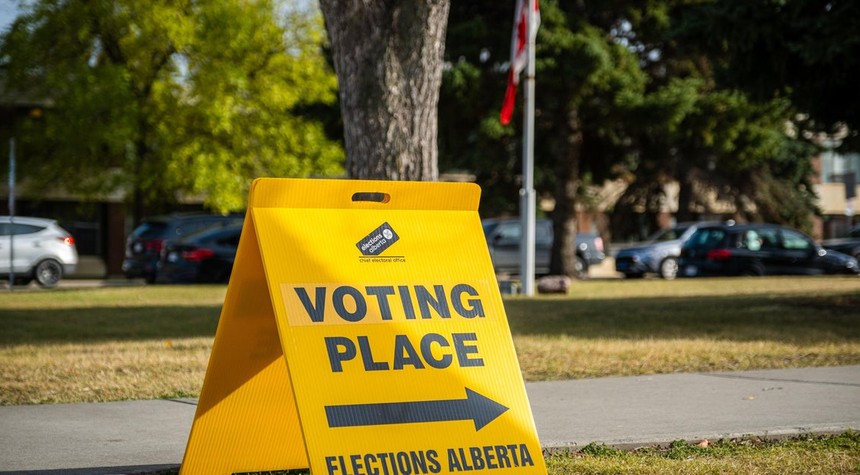
Alberta voters delivered a resounding rejection of independence from Canada on Monday, with approximately 76 percent choosing to maintain their province’s place within the Canadian confederation. The decisive result represents a significant victory for Prime Minister Mark Carney and those who have worked to preserve Canadian unity during a period of unprecedented external pressure from Washington.
The measure before Albertans was not a direct referendum on independence itself, but rather a proposal to begin a legal process that would have established a pathway toward a future separation vote. With more than one million ballots counted by early Tuesday, the outcome left little doubt about where the province stands on this fundamental question of national identity.
More than 1.35 million Albertans cast ballots in advance or special voting, representing 43 percent of eligible voters. Technical difficulties at more than one hundred polling stations, which opened late on election day, forced extended voting hours and delayed the final tallying of results.
Alberta occupies a unique position within Canada’s economic and political landscape. The province contains the world’s fourth-largest proven oil reserves and has cultivated a political culture far more aligned with the conservative values of the American West than with much of the rest of Canada. This distinctiveness has long fueled tension with the federal government in Ottawa, though such resentment has historically failed to translate into majority support for separation.
The timing of this vote carries particular significance. President Trump’s ongoing trade disputes with Canada and his repeated suggestions about American annexation of Canadian territory have created an atmosphere of uncertainty about Canada’s future as a sovereign nation. Prime Minister Carney, who grew up in Alberta’s capital city of Edmonton, made preserving national unity a central focus of his campaign against the separation measure.
“Vote like Canada’s future depends on it because it does,” Carney told supporters at a Friday rally in Edmonton, underscoring the stakes involved.
Thomas Lukaszuk, a former deputy premier of Alberta who led the Forever Canadian campaign, declared victory for national unity. “We are a solid country that’s united from coast to coast to coast,” he told supporters as results became clear.
Despite the lopsided defeat, leaders of the independence movement have indicated their cause will continue. They argue they have successfully transformed what was once considered a fringe position into a legitimate political movement with staying power.
The separatist sentiment draws from deeply held grievances about Alberta’s treatment by the federal government. Many Albertans believe their province’s substantial contributions to the national economy through oil revenues have not been reciprocated with appropriate federal support or recognition.
The question now facing Canadian political leaders is whether this decisive result will settle the matter or merely postpone future confrontations over Alberta’s place in the confederation. What remains clear is that Canada has survived this challenge to its territorial integrity, though the underlying tensions that produced it show no signs of disappearing.
Related: Zelenskyy Claims United States Withholding Vital Intelligence During Russian Attacks