
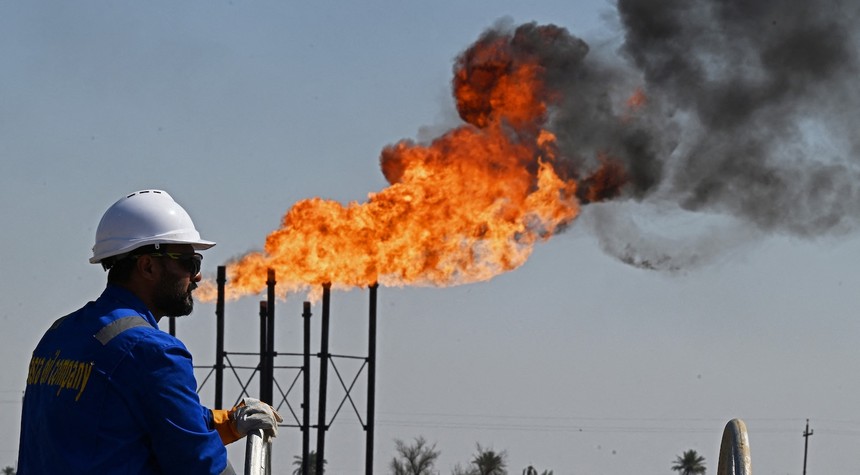
Global oil markets experienced significant turbulence Tuesday as Brent crude futures climbed above $111 per barrel, marking the highest price point in five months following reported attacks on oil infrastructure throughout the Middle East.
The benchmark Brent crude price settled at $110.30 per barrel after briefly surpassing $111 earlier in the trading session. This represents an increase of more than 55 percent since hostilities between Iran and regional forces commenced in late February. West Texas Intermediate futures, the standard measure for American oil trading, rose to $105.75 per barrel, reflecting an even steeper climb of more than 60 percent over the same period.
The price escalation follows a series of incidents across the region that have renewed concerns about supply stability. The United Kingdom Maritime Trade Operations Center issued an advisory Tuesday after receiving reports of an incident involving a tanker and military forces off the Omani coast. Iranian state media subsequently reported that the Islamic Revolutionary Guard Corps claimed responsibility for two oil tankers striking naval mines south of the Strait of Hormuz, one of the world’s most critical petroleum transport corridors.
These developments came one day after Yemen-based Houthi forces announced strikes on Saudi Arabian targets, including the Shaybah oil field and Saudi Aramco facilities in Yanbu, a strategic port city along the Red Sea. The Houthis, who maintain close ties with Tehran, have increasingly targeted energy infrastructure as the conflict has expanded.
The ongoing oil shortage has created cascading economic effects, with crude sellers passing elevated costs to refiners, who in turn have raised prices at retail fuel stations. American consumers are feeling the impact directly. The average price for a gallon of gasoline in the United States reached $4.27 on Tuesday, an increase of nearly $1.30 since the conflict began.
The timing carries particular significance for American politics, as fuel affordability has emerged as a primary concern for voters ahead of November’s midterm elections. The Middle East conflict initially drove inflation to a three-year high in May, though price pressures eased somewhat during the summer months following a preliminary peace agreement that established an intermittent ceasefire.
That tentative accord between the United States and Iran expired in August, however, leading to a resumption of attacks on oil infrastructure and maritime vessels throughout the region. The current price surge suggests the situation has deteriorated further in recent weeks.
While the United States, as the world’s largest oil producer, imports only modest quantities of crude from the Middle East, the integrated nature of global energy markets means that regional disruptions affect prices worldwide. Oil and gas commodities trade on international exchanges, and supply constraints in one region inevitably translate to higher costs for consumers everywhere, including American drivers.
The situation presents policymakers with difficult choices as they balance diplomatic efforts to resolve the conflict against domestic pressure to address rising living costs. Energy markets will likely remain volatile as long as uncertainty persists regarding the security of Middle Eastern oil infrastructure and shipping lanes.
Related: Vance Stays Neutral on Netanyahu Reelection Despite Trump’s Full Support