
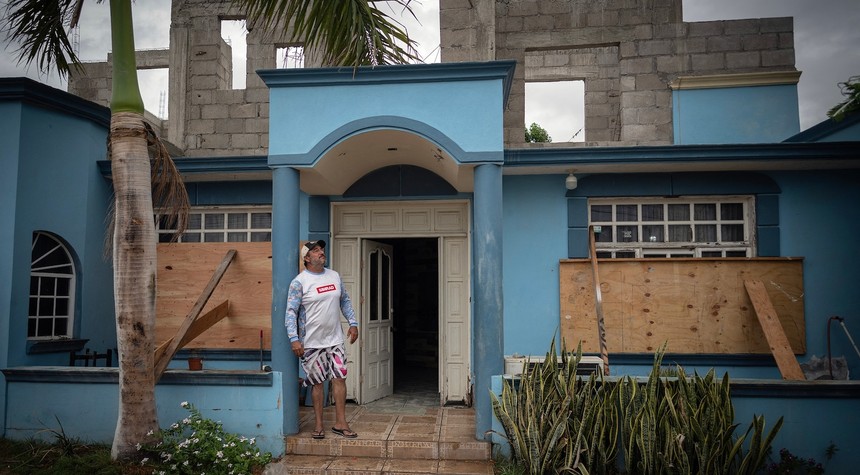
Hurricane Polo made landfall on Mexico’s Baja California Peninsula late Monday evening, striking near Las Barrancas as a Category 2 hurricane with sustained winds between 96 and 110 miles per hour before tracking eastward toward the Mexican mainland.
The storm, which came ashore at approximately 11 p.m. local time, weakened to Category 1 strength as it crossed the peninsula and set its sights on Mexico’s Sonora region for an anticipated second landfall Tuesday. Mexican authorities reported no immediate damage or casualties in the hours following the hurricane’s initial impact.
Polo represents one of three simultaneous hurricanes that developed in the Pacific Ocean on September 20, an unusual meteorological occurrence that underscores the active nature of this year’s Pacific hurricane season. While the storm’s direct impact on Mexican territory appears manageable thus far, its atmospheric influence extends far beyond the immediate strike zone.
Meteorologists report that near-record levels of moisture are streaming northward from the Pacific, propelled by the powerful atmospheric circulation surrounding Polo. These moisture-laden air masses are now converging with an existing storm system over the southwestern United States, creating conditions for what forecasters describe as a supercharged rainfall event across a substantial portion of the nation.
More than 30 million Americans across twelve states now find themselves under flood watches Tuesday, with the threatened area stretching from California and Texas northward to Iowa. The scope of this weather system demonstrates how tropical systems originating thousands of miles away can profoundly affect weather patterns across the continental United States.
The flooding threat materialized with particular severity overnight across Utah and Arizona, where multiple flash flood warnings remained in effect through the early morning hours. Zion National Park experienced near-record flooding along the Virgin River and through Heaps Canyon as a flash flood wave surged through the area Monday night, forcing park officials to monitor conditions closely.
In Bullhead City, Arizona, emergency responders conducted water rescues Monday evening after at least one vehicle became trapped in rapidly rising floodwaters. The incidents underscore the dangers posed by flash flooding in the desert Southwest, where dry washes and low-lying areas can transform into raging torrents within minutes.
The merging of Polo’s remnants with the continental storm system represents a familiar pattern in which Pacific hurricanes, even those that never directly threaten American soil, can deliver substantial impacts through atmospheric moisture transport. This phenomenon has produced some of the most significant rainfall events in the history of the American Southwest.
Authorities across the affected states continue monitoring conditions as the storm system progresses. Residents in flood-prone areas have been advised to remain vigilant, avoid attempting to cross flooded roadways, and heed all warnings issued by local emergency management officials.
The situation remains fluid as meteorologists track the system’s northward progression through the remainder of the week.
Related: Sweden’s Social Democrats Abandon Coalition Talks After Socialist Left Party Breaks Ranks