
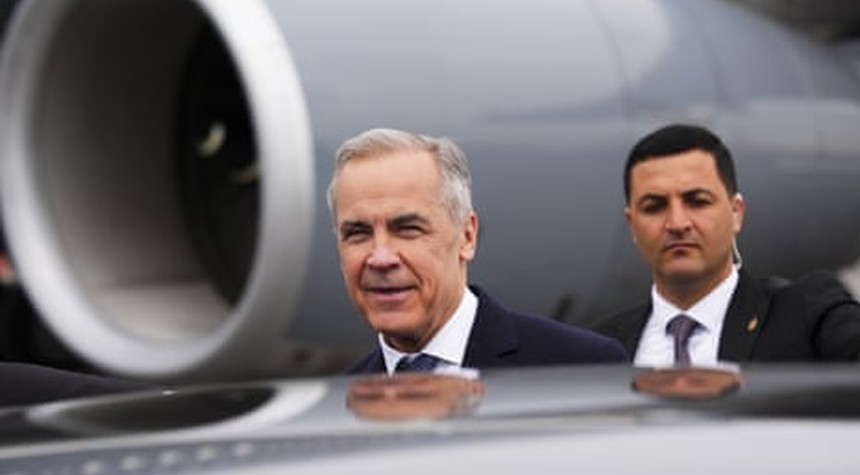
Canada will make history Monday as the first non-European nation to participate in a meeting of the European Political Community, with Prime Minister Mark Carney attending the summit of 48 nations in Yerevan, Armenia.
The development marks a significant diplomatic realignment as Canada actively pursues new trade partnerships and international relationships following the rupture in economic ties with the United States under President Donald Trump’s administration.
Carney’s attendance carries dual significance. Beyond Canada’s search for alternative markets, his presence demonstrates Western solidarity with Armenia as that nation continues its gradual separation from Russian influence. This comes at a moment when Washington’s commitment to Moscow’s adversaries, including Ukraine, remains uncertain at best.
Canadian diplomatic officials have dismissed speculation that Ottawa might pursue formal membership in the European Union. The attendance represents instead a pragmatic effort to forge new partnerships in an era of American economic nationalism.
The Yerevan summit agenda includes substantive discussions on President Trump’s announced withdrawal of more than 5,000 American troops from Germany over the coming year. Leaders will also address the economic ramifications of the ongoing United States-Iran conflict, which continues to affect Western economies.
Armenia’s position as host carries particular geopolitical weight. The nation shares a border with Iran, though unlike neighboring Azerbaijan, it has not reported Iranian missiles landing within its territory.
The European Political Community, an institution championed by French President Emmanuel Macron and which includes the United Kingdom among its members, selected Yerevan as the summit location to highlight Armenia’s strengthening European connections. This continues the nation’s deliberate pivot away from Russia, its historical patron.
Armenian Prime Minister Nikol Pashinyan has pursued what he terms a policy of diversification, which in practice means steadily orienting his country toward European institutions and partnerships. His Civil Contract party faces parliamentary elections in June, and party leaders seek a decisive victory to continue peace negotiations with Azerbaijan.
The domestic political landscape presents challenges. Pashinyan confronts three opposition parties that maintain more favorable views toward Moscow, making the election outcome consequential for Armenia’s future orientation.
Thomas de Waal, a senior fellow with Carnegie Europe who specializes in Caucasus regional affairs, observed that European leaders face a delicate balancing act in Yerevan. While their presence may appear to support Pashinyan’s electoral prospects, they must also engage in broader discussions about building a more resilient and politically diverse Armenia.
The stakes extend beyond electoral politics. Armenia stands at a critical juncture, approaching what de Waal describes as a painful yet transformative peace agreement with Baku. Such an agreement would lead to the reopening of Armenia’s long-closed borders with both Azerbaijan and Turkey, frontiers that have remained shut for decades.
For Canada, the Yerevan summit represents more than symbolic diplomacy. It signals a fundamental reassessment of international partnerships in response to American trade policy. Whether this marks the beginning of a broader realignment among traditionally American-aligned nations remains to be seen, but the implications for the post-war international order merit serious attention.
Related: China Deploys Robotic Wolf Packs in Preparation for Potential Taiwan Invasion