
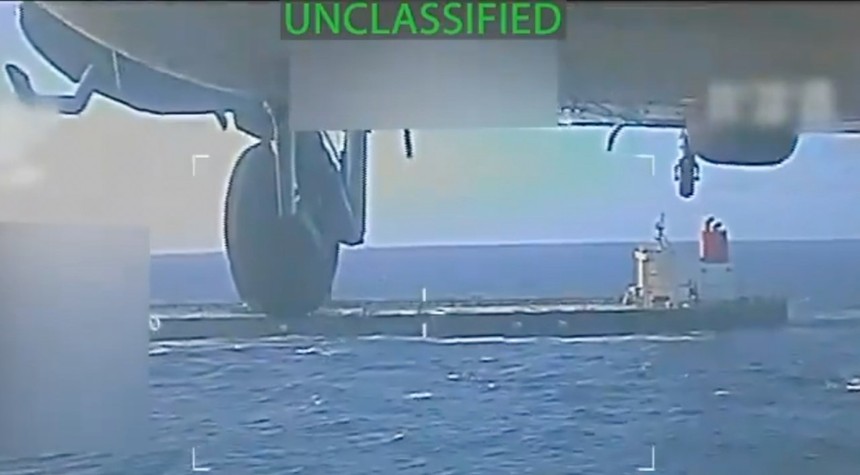
The United States finds itself at the center of an escalating maritime dispute as China formally condemned American seizure operations targeting oil tankers off the Venezuelan coast. The diplomatic confrontation underscores deepening tensions in the Caribbean as Washington intensifies pressure on the Maduro regime.
Chinese Foreign Ministry spokesperson Lin Jian delivered pointed criticism on Monday, characterizing American actions as violations of international law. The spokesperson’s remarks represent Beijing’s most direct involvement in the Venezuelan situation, with China asserting that such seizures constitute unilateral bullying that infringes upon sovereign rights.
The Chinese position holds particular significance given the broader geopolitical context. Beijing maintains substantial economic interests in Venezuela and has positioned itself as a counterweight to American influence in Latin America. Lin’s statement explicitly defended Venezuela’s right to conduct international commerce independently, a position that aligns with Chinese foreign policy principles emphasizing non-interference.
The immediate catalyst for these diplomatic exchanges involves three separate American interdiction attempts this month. On Sunday, the United States Coast Guard attempted to seize the Bella 1 in Caribbean waters. That vessel, previously sanctioned by Washington for transporting Iranian oil, refused to comply and departed the area. The incident marks a notable failure in the administration’s enforcement efforts.
Two previous operations proved more successful. On Saturday, American military forces boarded and seized the Centuries, a Panamanian-flagged vessel reportedly contracted to deliver oil to Chinese traders. The administration stated it was verifying the vessel’s registration validity, though officials have not specified how long the ship will remain in American custody.
Earlier this month, on December 10, authorities seized the tanker Skipper, also carrying Venezuelan crude. President Trump addressed both seizures directly on Monday, stating unequivocally that the United States intends to retain both vessels and their cargo. The President indicated the oil might be sold, retained, or added to strategic petroleum reserves.
The situation has evolved beyond diplomatic protest. Venezuelan President Nicolás Maduro ordered his nation’s navy to provide escort services for oil tankers, a decision that substantially raises the possibility of armed confrontation at sea. This development occurs against the backdrop of significant American military deployments to the region.
President Trump characterized the American naval presence as unprecedented, describing it as the largest armada ever assembled in South American waters. When questioned about potential Venezuelan military responses, the President issued a direct warning to Maduro, suggesting that any aggressive action would prove to be the Venezuelan leader’s last opportunity to demonstrate defiance.
The legal framework surrounding these seizures remains contested. International maritime law generally prohibits arbitrary seizure of vessels in international waters, though sanctions enforcement provides certain authorities under domestic law. The intersection of American sanctions policy, international maritime conventions, and sovereign rights creates a complex legal landscape that Beijing has chosen to challenge directly.
For observers concerned with American interests and international stability, this situation presents multiple considerations. The enforcement of sanctions against the Maduro regime serves legitimate policy objectives, particularly given Venezuela’s alignment with adversarial powers. However, the manner of enforcement and the international response will shape future American credibility in maritime operations.
The involvement of Chinese traders as intended recipients of seized cargo adds another dimension to an already complicated situation. As tensions between Washington and Beijing continue across multiple domains, the Venezuelan theater has become yet another arena for great power competition.
Related: Florida Talks Produce Framework for Ukraine Peace Settlement