
The United States and Canada stand on the precipice of a significant trade confrontation, with both nations preparing retaliatory tariffs that threaten to disrupt the economic relationship between these longtime allies and neighbors.
Canadian Prime Minister Mark Carney has issued a pointed rebuke to the Trump administration, calling on Washington to approach trade negotiations with the seriousness they demand. His comments come as Canada prepares to implement retaliatory tariffs on twenty billion dollars worth of American goods on September 8th, matching the fifty percent tariffs the United States has already imposed on Canadian products.
“It is beneath their office,” Carney stated, referring to what he characterized as unprofessional conduct by American officials. “When the Americans stop doing memes, stop throwing shade, stop trying to be tough and start being serious about having those discussions, we can have those discussions” about trade.
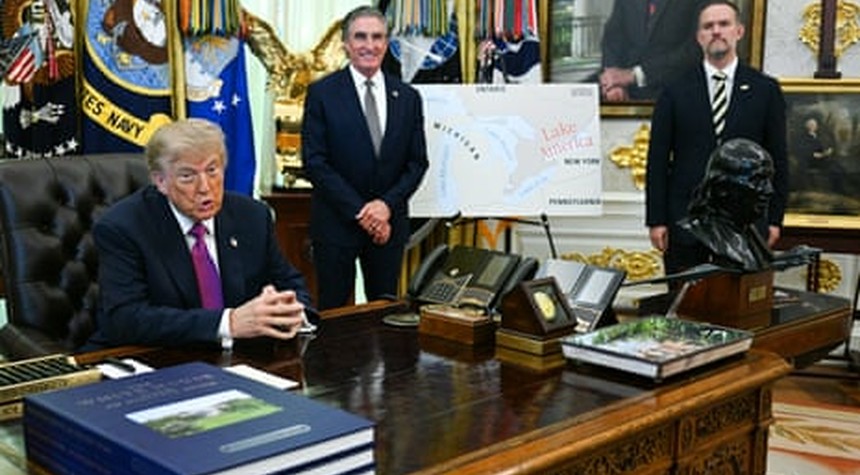
The deterioration of trade relations has been marked by symbolic gestures that have inflamed tensions. President Trump signed an executive order last week directing federal authorities to rename Lake Ontario as Lake America, a move that has been categorically rejected by Canadians and viewed by many as unnecessarily provocative.
US Trade Representative Jamieson Greer has adopted a notably dismissive posture toward the escalating crisis, characterizing the situation as “more their emergency than ours.” Speaking to reporters, Greer suggested that Canada bears greater vulnerability in any protracted trade conflict and stated flatly that “there are no negotiations happening on trade right now.”
The breakdown in discussions, which occurred just over a week ago, has left both nations’ citizens facing economic uncertainty. Canada represents America’s second-largest trading partner, and the tariffs will affect everyday items that cross the border in both directions.
Greer attributed the collapse of negotiations to what he termed unacceptable Canadian demands, including preferential tax treatment for heavy-duty trucks. “It’s not clear Canada wants a deal,” he said, adding that if Canada chooses to prohibit American goods and services, the United States should consider reciprocal measures.
Canadian officials, however, present a markedly different account of the failed negotiations. They suggest internal disagreements within the White House over who should direct trade talks contributed significantly to the impasse. Prime Minister Carney also noted that American negotiators viewed the French language in Canada as an “irritant,” to which he responded that language rights in Quebec are constitutionally protected.
President Trump has maintained his characteristic combative stance, suggesting that Canada desires the benefits of American statehood without accepting the responsibilities. He has also claimed, without providing specific evidence, that Canadian tariffs have burdened American farmers “for many years.”
According to Greer, the negotiations suffered from fundamental misunderstandings about what terms were actually under consideration. Whether these misunderstandings resulted from political maneuvering remains unclear.
As the September 8th deadline approaches, American consumers and businesses are bracing for the impact of retaliatory Canadian tariffs. The situation represents a significant test of the longstanding economic partnership between two nations that share the world’s longest international border and have historically maintained one of the most integrated economic relationships in the global economy.
The coming days will determine whether cooler heads prevail or whether both nations proceed down a path that economists warn could prove damaging to workers and consumers on both sides of the border.
Related: Venezuela’s Acting Leader Defends Controversial Oil Agreement with United States