
The Iranian Foreign Ministry announced Tuesday that negotiations with Oman regarding permanent control over the Strait of Hormuz are advancing, even as American officials describe a fundamentally different arrangement currently under discussion.
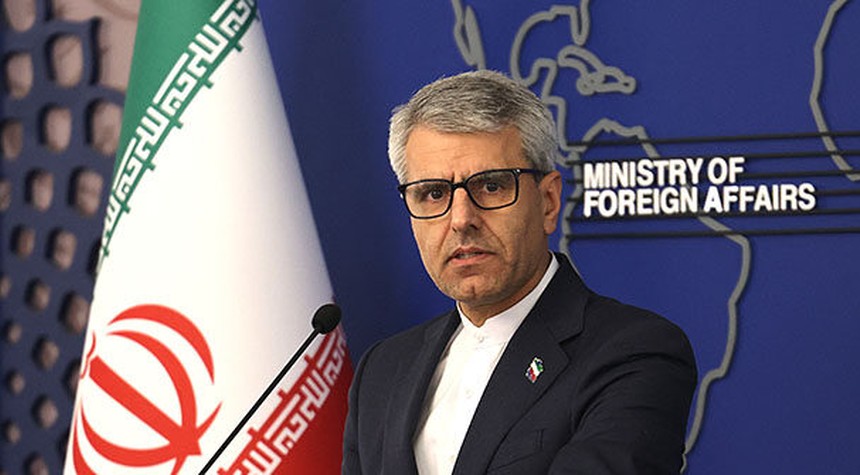
Iranian Foreign Ministry spokesman Esmail Baqaei characterized recent discussions with Oman as “positive,” stating the talks focus on establishing what Tehran calls safe shipping routes while preserving Iranian sovereign rights and security interests. The Iranian position, as articulated by Baqaei and other officials in Tehran, maintains these are strictly bilateral discussions between Iran and Oman with no American involvement whatsoever.
This stands in direct contradiction to statements from senior American officials. Secretary of State Marco Rubio stated Tuesday that the United States is actively engaged in three-way negotiations with both Oman and Iran. Treasury Secretary Scott Bessent similarly confirmed American participation in talks with the Iranians to normalize passage through the strait.
The strategic importance of this waterway cannot be overstated. The Strait of Hormuz serves as a critical chokepoint for global energy supplies, with roughly one-fifth of the world’s petroleum passing through its narrow passage. Any disruption to this flow carries immediate consequences for international markets and economic stability.
President Donald Trump revealed Saturday that he had called off what he described as the heaviest bombardment since World War II against Iranian targets, explaining that Iran and other Middle Eastern nations had requested additional time for diplomatic solutions. The President indicated a deal was under consideration that would ensure the immediate and complete opening of the strait, followed by subsequent discussions regarding Iran’s nuclear program.
Rubio confirmed Tuesday that ships are currently transiting the strait and oil is flowing, though negotiations continue regarding safe passage for additional vessels in the short term while longer-range denuclearization talks proceed.
The Iranian position, however, presents a markedly different vision. According to reports from the region, Tehran seeks perpetual control over the entire strait with Oman serving as a junior partner. Iranian officials have reportedly rejected Omani proposals for joint management that would allow both nations to collect fees from passing vessels, viewing such arrangements as granting Oman excessive control over its own territorial waters.
The Iranian preference appears to be a system that would prevent ships from remaining in Omani waters along the southern coast of the strait, thereby forcing all traffic into areas where Tehran could exercise unilateral control and extract what amounts to ransom payments from international shipping.
Additionally, Iran announced progress in forging closer ties with Pakistan, a development of particular note given Islamabad’s recent posture as a neutral mediator between Washington and Tehran. This shift in Pakistani alignment, if it materializes, would represent a significant recalibration of regional relationships.
The fundamental disconnect between American and Iranian accounts of these negotiations raises serious questions about whether genuine progress is being achieved or whether the two sides remain far apart on basic terms. What Washington describes as trilateral talks aimed at ensuring freedom of navigation, Tehran characterizes as bilateral discussions designed to formalize Iranian control over international waters.
The coming days will reveal whether these competing narratives can be reconciled or whether the gulf between positions remains too wide to bridge through diplomacy alone.
Related: Trump Warns of Military Action Against Iran if Nuclear Negotiations Collapse