
International climate negotiations collapsed in Turkey on Sunday, marking a significant setback for global efforts to coordinate action on climate change. The failure represents only the second time in a quarter century that such talks have ended without an agreement.
Delegates from 196 countries and the European Union gathered in the Mediterranean resort city of Antalya for the COP31 conference, but after extending discussions two days beyond the scheduled conclusion, they proved unable to bridge fundamental disagreements over fossil fuel commitments. The breakdown came after negotiators rejected a fourth draft agreement that had eliminated all references to fossil fuels.
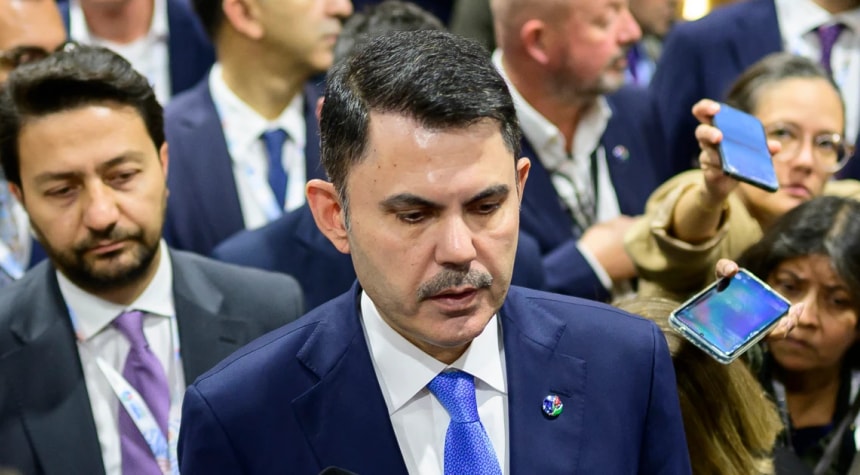
Turkish Environment Minister Murat Kurum, serving as COP31 President, formally announced the impasse. He stated there would be no additional attempts to draft new language given the lack of consensus among participating nations. While expressing disappointment that talks did not produce what he termed a "much stronger outcome," Kurum acknowledged the limits of diplomatic efforts when fundamental positions remain irreconcilable.
The European Union led opposition to the final draft, with Irish Minister Darragh O’Brien characterizing the proposed agreement as inadequate greenwashing. The bloc insisted that any meaningful climate accord must address the transition away from fossil fuels. The Marshall Islands, facing existential threats from rising sea levels, similarly rejected the proposal, as did Panama and the United Kingdom.
The impasse reveals deep divisions between industrialized nations seeking aggressive climate commitments and countries whose economies remain dependent on fossil fuel production and export. Saudi Arabia, Russia, and India have resisted language that could obligate them to phase out energy sources central to their economic models.
Australian Minister Chris Bowen, who served as president of negotiations, noted that the geopolitical environment surrounding these talks was exceptionally challenging. Issues that might have been resolved through compromise in previous conferences became immovable positions in Antalya.
The evolution of the draft text itself illustrates the diplomatic tensions. An initial version circulated one week into the conference mentioned fossil fuels six times. Subsequent drafts progressively removed such references entirely, drawing sharp criticism from nations advocating for explicit commitments to transition away from carbon-based energy.
The United States remains officially absent from these proceedings. Under President Donald Trump, America withdrew from multiple international climate commitments, removing one of the world’s largest greenhouse gas emitters from active participation in coordinating global responses.
Panama’s environment minister offered particularly pointed criticism, suggesting that petroleum interests have effectively captured the negotiation process. Such frank assessments underscore the frustration among smaller and more vulnerable nations who view themselves as bearing disproportionate consequences from climate changes driven largely by industrialized economies.
The failed negotiations lasted longer than any previous climate conference, surpassing even the contentious COP25 talks in Madrid. The Antalya summit began on November 9, with the official conclusion scheduled for Friday. Attempts to salvage an agreement extended through the weekend before delegates acknowledged the impossibility of achieving consensus.
United Nations Secretary-General António Guterres expressed deep disappointment while emphasizing that diplomatic failures do not alter scientific realities regarding climate change. His statement reflects a broader challenge facing international climate efforts: the disconnect between what scientific evidence suggests is necessary and what political processes can deliver.
The collapsed draft acknowledged what many scientists have long predicted, that the 2015 Paris Agreement goal of limiting global temperature increases to 1.5 degrees Celsius will likely be exceeded. Such an outcome carries significant implications, as climate impacts including extreme heat and weather events are expected to intensify substantially beyond that threshold.
Turkey’s conference president may now choose to convene a follow-up meeting or defer decisions until next year’s conference in Ethiopia. The last failure of climate negotiations occurred at The Hague in 2000, making this breakdown a relatively rare occurrence in the history of international climate diplomacy.
The Antalya collapse raises fundamental questions about whether the current framework for international climate cooperation remains viable amid diverging national interests and competing economic priorities.
Related: Denmark Takes Action Against Russia Following Thwarted Assassination Attempt