
The United States Justice Department has revealed that a prominent drug cartel, known for its extensive criminal operations, employed a hacker to compromise phone data and surveillance systems in Mexico City. This technological intrusion was reportedly used to track and eliminate FBI informants.
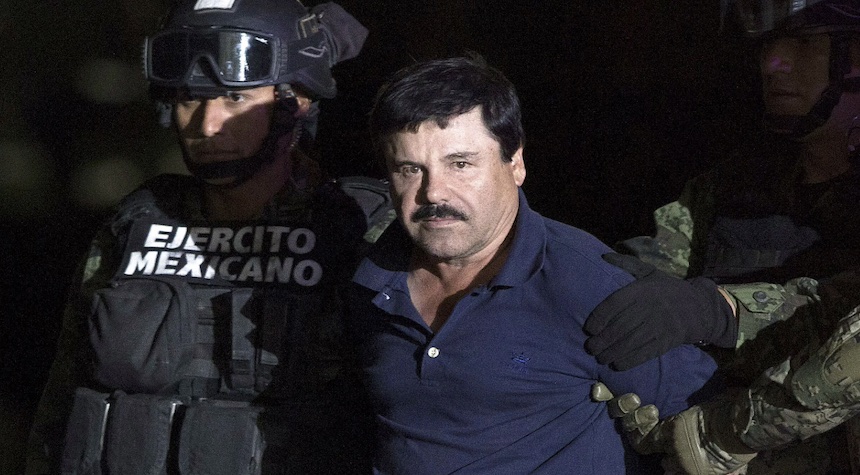
According to a recently released 47-page audit by the Justice Department Inspector General, this operation took place in 2018. The report, which is partially redacted, cites a case involving Joaquin “El Chapo” Guzman, the founder of the Sinaloa cartel. Guzman is currently serving a life sentence in a U.S. maximum security prison for multiple drug trafficking conspiracies.
The audit states that an unidentified hacker, recruited by the cartel, was able to observe individuals entering and exiting the United States Embassy in Mexico City. This surveillance extended to identifying what the cartel termed ‘people of interest’, including an FBI assistant legal attaché.

Reports indicate that the hacker’s capabilities were extensive. They were able to access the FBI official’s phone data, including call logs and geolocation information. Furthermore, Mexico City’s surveillance camera system was reportedly compromised to track the FBI attaché’s movements and identify their contacts.
The implications of this technological espionage are sobering. The audit reveals that “the cartel used that information to intimidate and, in some instances, kill potential sources or cooperating witnesses.” This raises important questions about the security of law enforcement operations in an increasingly digital world.
To understand this fully, we should note that the Sinaloa cartel was designated a terrorist organization earlier this year by the current administration. The U.S. State Department describes it as one of Mexico’s most powerful criminal syndicates, known for producing and trafficking fentanyl and other narcotics into the United States.
This development follows earlier reports of the U.S. government offering substantial rewards for information leading to the capture of El Chapo’s sons, who now lead a faction of the cartel. The evidence suggests that the cartel’s operations continue to evolve, incorporating advanced technological methods to further their illicit activities.
The Justice Department audit underscores the challenges faced by law enforcement in the digital age. It calls for a comprehensive threat assessment to identify vulnerabilities within the FBI’s operations. As technology advances, so too must the methods to protect sensitive information and the individuals who risk their lives to uphold the law.