

Russian forces are intensifying their use of chemical weapons in Ukraine, according to Dutch intelligence agencies.
Dutch Defense Minister Ruben Brekelmans and Military Intelligence Chief Peter Reesink have presented evidence of widespread Russian deployment of banned chemical agents, including chloropicrin, a choking agent first used in World War One. According to reliable sources, these substances are being dropped from drones to force Ukrainian soldiers out of trenches, leaving them vulnerable to gunfire.
The Dutch Military Intelligence Agency claims to have observed thousands of instances of chemical weapons use through independent investigations. While these reports have not been independently verified, they align with previous accusations made by the United States in May of last year.
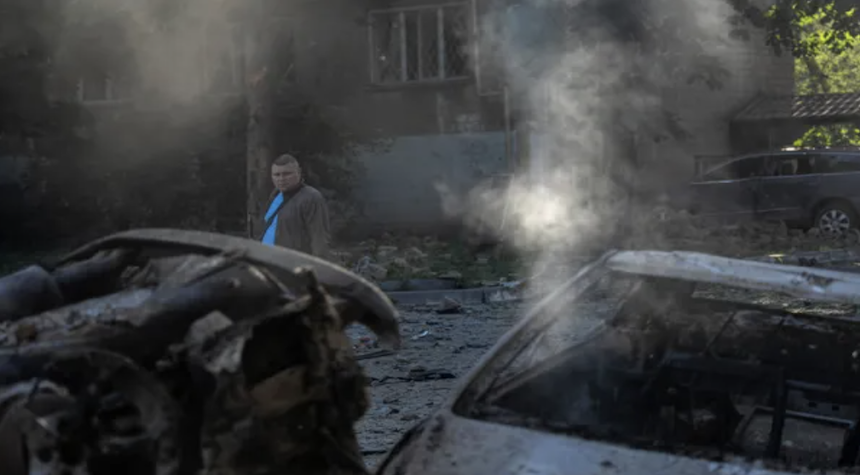
Both Russia and Ukraine have accused each other of using illegal munitions, claims which the Organisation for the Prohibition of Chemical Weapons (OPCW) previously deemed “insufficiently substantiated.” Russia has consistently denied these allegations, and its defense ministry has not yet responded to requests for comment on this latest report.
Minister Brekelmans has called for increased sanctions against Moscow and its exclusion from international bodies such as the OPCW Executive Council. The evidence suggests that Russia has expanded its chemical weapons production capabilities and recruited scientists for further development, raising concerns about the potential for escalation.
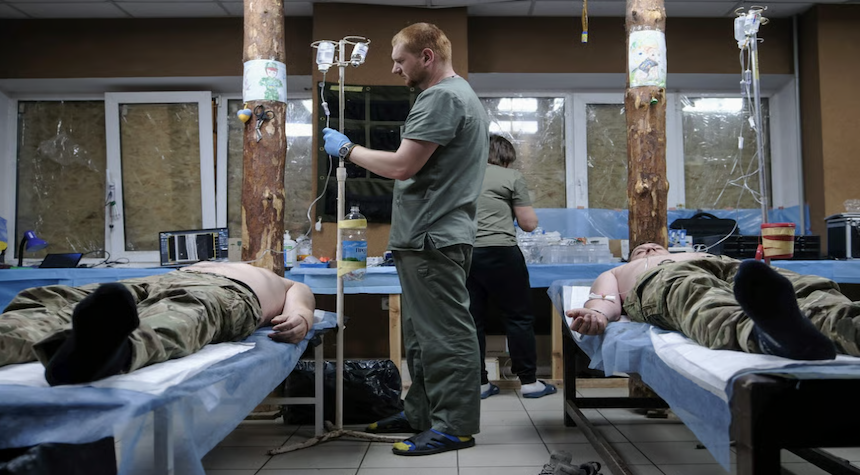
This development follows earlier reports of at least three Ukrainian deaths attributed to chemical weapons, with over 2,500 battlefield injuries reportedly showing symptoms consistent with chemical exposure. The significance of this should not be overlooked, as it represents a clear violation of international law and poses a threat not only to Ukraine but to global security.
While Russia denies these accusations, the Dutch intelligence findings present a troubling picture of systematic chemical weapons use. The public’s right to information on this matter is paramount, and the international community must grapple with the implications of these reports.