
An American surgeon who contracted Ebola while performing operations in the Democratic Republic of the Congo has been evacuated to Germany for treatment, barely able to walk as he departed the African nation. His wife and four children, also medical missionaries, are under close observation for symptoms of the deadly hemorrhagic fever.
Dr. Peter Stafford, a surgeon and leader with the Christian missionary organization Serge, unknowingly operated on an Ebola patient before health authorities had confirmed the outbreak in the region. The patient, a 33-year-old man presenting with severe abdominal pain, was initially suspected of having a gallbladder infection. Dr. Stafford performed an exploratory procedure, discovered the gallbladder was normal, and closed the incision. The patient died the following day and was buried before testing could confirm Ebola infection.
Dr. Stafford developed symptoms days later and tested positive for the virus on Sunday, according to the United States Centers for Disease Control and Prevention. Colleagues described his condition as grave when he departed for medical evacuation. Dr. Scott Myhre, area director for Serge, reported that Stafford appeared exhausted and severely ill, requiring support from medical personnel in full protective equipment to remain upright during his departure.
The surgeon had been working at Nyankunde hospital in the Democratic Republic of the Congo’s Ituri province, where the Africa Centers for Disease Control first confirmed this outbreak. Despite following standard surgical protocols, including sterile gowns, gloves, protective eyewear, and masks, the precautions proved insufficient against Ebola exposure during the operation.
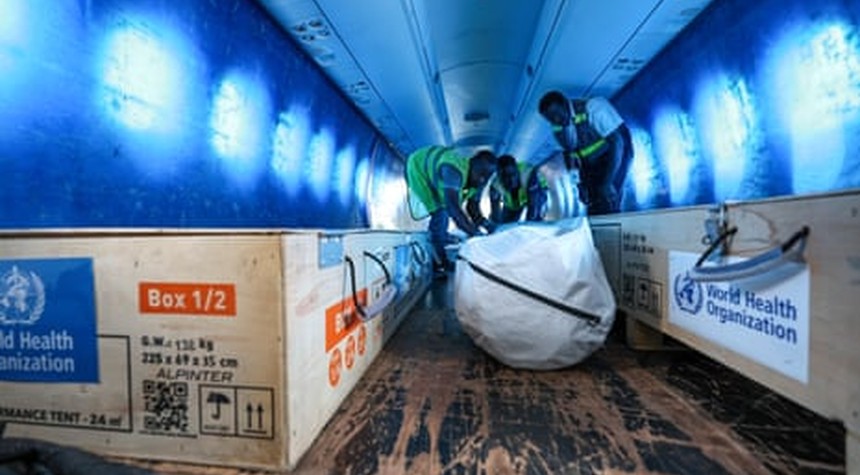
This outbreak involves the Bundibugyo strain of Ebola virus, for which no approved treatments or vaccines currently exist. The World Health Organization has reported more than 600 suspected cases and 139 suspected deaths, primarily concentrated in the Democratic Republic of the Congo. The outbreak has spread beyond rural areas into urban centers, prompting the WHO to declare a public health emergency requiring international response.
Two cases and one suspected death have been confirmed in neighboring Uganda, raising concerns about regional spread. However, WHO officials maintain that while the threat to surrounding African nations remains severe, the risk of a global pandemic is very low at this time.
Dr. Tedros Adhanom Ghebreyesus, the WHO’s director-general, acknowledged that the true scale of the epidemic is likely much larger than current figures suggest. He expects case numbers to continue rising as surveillance and testing expand in affected areas.
The WHO’s response has drawn criticism from United States Secretary of State Marco Rubio, who characterized the organization’s actions as delayed. The director-general addressed these concerns, though the full context of his response remains unclear as the situation continues to develop.
Dr. Stafford’s wife, Rebekah Stafford, is also a physician. She and the couple’s four children are being monitored closely for any signs of infection, though none have tested positive at this time. The incubation period for Ebola can range from two to twenty-one days, requiring extended observation of potentially exposed individuals.
This outbreak represents a significant public health challenge for central Africa, where previous Ebola epidemics have claimed thousands of lives and strained already fragile healthcare systems. The involvement of an American medical missionary underscores both the dedication of healthcare workers serving in difficult conditions and the persistent danger posed by emerging infectious diseases in regions with limited medical infrastructure.
Related: US Military Demonstrates Rapid Artillery Capability in Exercise at Japanese Base