
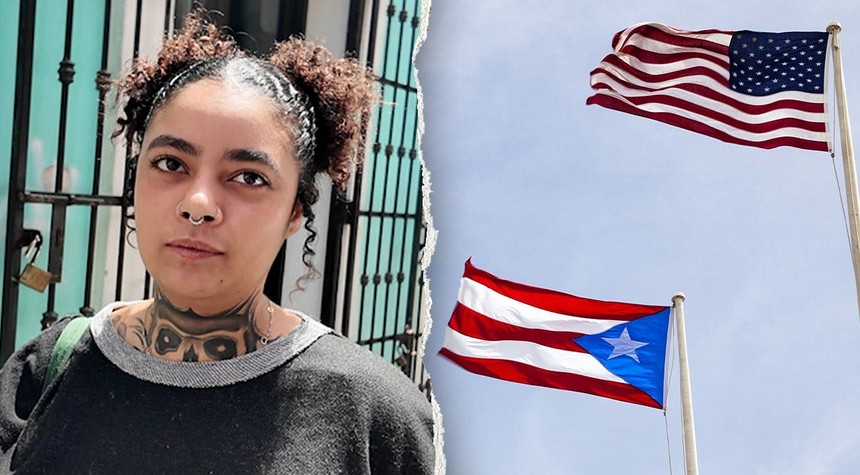
Interviews conducted across San Juan, Puerto Rico reveal significant grassroots opposition to statehood, even as the territory’s government pursues closer integration with the United States. The concerns voiced by residents center on economic stability and cultural preservation, suggesting a disconnect between political leadership and public sentiment.
The question of Puerto Rico’s political status has persisted for more than a century, since the United States acquired the island from Spain in 1898. What remains consistent is the complexity of emotions and practical considerations that shape this ongoing debate.
Carly, a Puerto Rican who now resides in Connecticut, expressed reservations that echo throughout the island. Her concerns about taxation and economic disruption reflect a broader anxiety about the fundamental transformation statehood would bring. The current federal tax structure treats Puerto Rico differently from the fifty states, and statehood would eliminate many of these distinctions. For an island where wages remain substantially lower than mainland averages, the prospect of full federal taxation presents real challenges.
“Everything would become more expensive than it already is and locals have already been struggling for a while now,” Alejandra from San Juan explained. “It would make stuff even worse.”
These economic concerns carry substantial weight. The island’s residents currently navigate a precarious financial landscape, and the transition to full statehood would fundamentally alter the relationship between Puerto Rican businesses, workers, and the federal government. The fear is not merely theoretical; it stems from observable economic realities and the understanding that increased federal taxation could outpace any benefits from enhanced federal support.
Governor Jenniffer González Colón, a member of the pro-statehood New Progressive Party, has advocated forcefully for Puerto Rico to become the fifty-first state. Her position, aligned with President Donald Trump, frames statehood as a matter of equality, pointing to disparities in federal program treatment. This represents the political establishment’s view, but it encounters resistance from citizens who question whether formal equality would translate into practical benefit.
The cultural dimension of this debate cannot be overlooked. References to Hawaii’s experience with statehood suggest concerns about homogenization and the potential loss of distinct identity. These are not abstract worries but deeply felt anxieties about what it means to be Puerto Rican in an increasingly integrated political system.
One resident who identified herself as “Boo” cited the current political climate in Washington as a deterrent. While Puerto Ricans hold United States citizenship, territorial residents cannot vote in presidential elections. For some, this limitation now appears less like a deficit and more like a buffer from mainland political turbulence.
A nonbinding referendum held in November 2024 found fifty-nine percent of voters favoring statehood, with twenty-nine percent supporting independence. However, the gap between referendum results and street-level sentiment raises questions about how these preferences are measured and understood. Nonbinding votes can serve as political signals without capturing the nuanced concerns that emerge in direct conversation.
The path forward remains uncertain. What is clear is that the statehood question encompasses far more than constitutional status. It touches on economics, culture, identity, and the fundamental relationship between a people and their government. As Puerto Rico’s political leadership pursues one vision, significant portions of the population articulate another, creating a tension that will not be easily resolved through simple majority votes or political declarations.
Related: Navy Sailor’s Father Detained by ICE During Middle East Deployment