
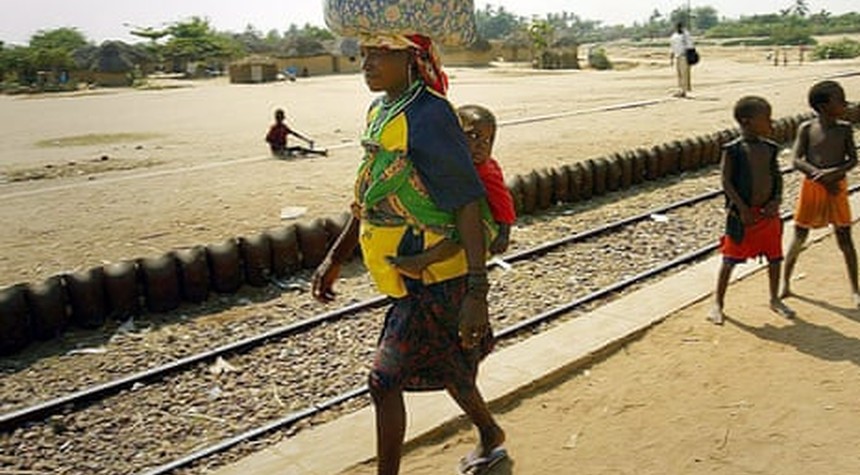
The Democratic Republic of the Congo faces a humanitarian challenge as a multi-billion-dollar infrastructure project backed by the European Union and United States threatens to displace up to 6,500 people from their homes. The development underscores the complex tensions between Western strategic interests in critical minerals and the welfare of local populations in resource-rich African nations.
The Lobito Corridor project represents an ambitious effort to modernize the colonial-era Benguela railway, extending from the DRC mining regions through Angola to the Atlantic coast port of Lobito. Angola has indicated it requires $4.5 billion for its portion of the railway rehabilitation alone. The corridor’s scope extends beyond mere transportation infrastructure, encompassing railway connections to Zambia, agricultural development, and solar power installations along the route.
At the heart of this initiative lies the global competition for critical minerals essential to green energy technologies, particularly electric vehicle batteries. Western nations find themselves in direct competition with China and Gulf states for control of copper, cobalt, and other strategic resources concentrated in the DRC’s mining regions.
According to analysis by the campaign organization Global Witness, approximately 1,200 buildings face potential demolition along the railway stretch from Kolwezi, a major mining city, to the Angolan border. The majority of these structures stand in Kolwezi itself, where residents of the Bel Air neighborhood have constructed homes and businesses near the railway line over several decades.
The railway has remained largely dormant since the 1980s. During this extended period of disuse, enforcement of a buffer zone prohibiting construction near the tracks fell into neglect. Many residents purchased land through informal channels, sometimes from vendors lacking clear title. Others acquired plots from railway company employees who had received land allocations from their employer, the Société Nationale des Chemins de Fer du Congo.
In 2023, the Lobito Atlantic Railway consortium secured a 30-year concession to operate the Angolan section of the Benguela Railway. This consortium includes Portuguese construction firm Mota-Engil, Singapore-based commodity trader Trafigura, and Belgian railway operator Vecturis. The DRC state railway company continues operating the line while sharing access with the new concession holder.
The situation has created a legal and moral quandary. Jean-Pierre Kalenga, minister for land affairs in Lualaba province, has characterized residents within the buffer zone as illegal occupants. However, local civil society leaders contest this designation. Donat Kambola, president of the Initiative pour la Bonne Gouvernance et les Droits Humains, argues that residents cannot reasonably be labeled illegal when authorities permitted their presence for decades without interference.
The current buffer zone extends ten meters on either side of the track, according to railway operators conducting emergency rehabilitation works. The full scope of future expansion requirements remains unclear as the project progresses.
This situation exemplifies the broader challenges facing developing nations as global powers pursue strategic resources. The West’s push to secure supply chains for green energy technology, while laudable in its environmental objectives, must be balanced against the legitimate property rights and welfare of local populations who have established communities over generations of governmental neglect.
The outcome in Kolwezi will likely establish precedents for similar infrastructure projects across resource-rich regions of Africa, where the collision between international strategic interests and local realities demands careful, principled resolution.
Related: Colombian President Issues Warning to Trump Over Drug Trafficking Threats