
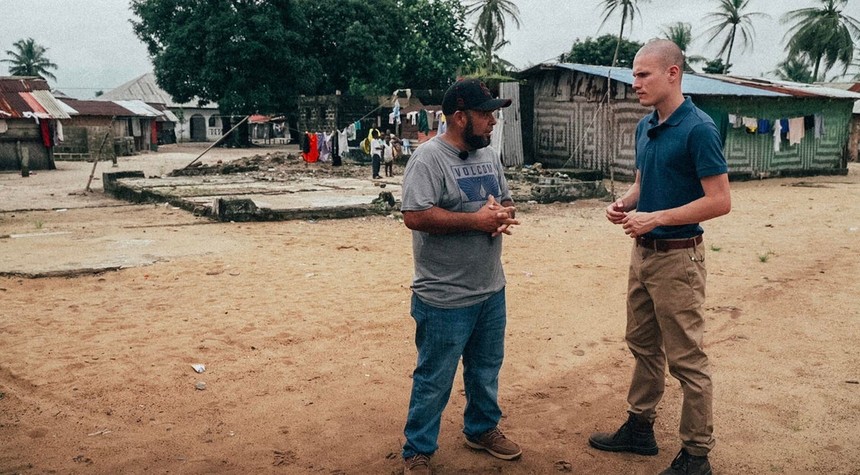
MONROVIA, Liberia — In a three-story hotel along the remote coastline of this West African nation, dozens of men and women find themselves in an extraordinary predicament. None are Liberian citizens. Many have never set foot in Africa before last month.
These deportees hail from Brazil, Colombia, Guatemala, Honduras, and Venezuela, as well as from African nations such as Cameroon and Eritrea. United States immigration officials transported them to Liberia in August as part of an escalating enforcement strategy under the Trump administration: deporting individuals to distant countries where they maintain no familial, cultural, or legal ties.
The policy represents a significant departure from traditional deportation procedures, which typically return individuals to their countries of origin or citizenship.
Elvis Rodriguez Venturas, a Honduran national, expressed his distress plainly. “I’m concerned. I feel far away, on the other side of the world.” His four children, two of whom are American citizens, contact him daily from Texas, asking when he will return. His wife remains in the United States as well.
Rodriguez Venturas entered the United States illegally, but an immigration judge had specifically barred his deportation to Honduras after determining he faced potential harm there. He maintained he had been working legally under that protection before his detention by Immigration and Customs Enforcement.
The circumstances surrounding these deportations raise substantial questions about due process. Most of the deportees interviewed had secured legal protections in American immigration courts preventing ICE from returning them to their home countries due to credible concerns about persecution or torture. These protections, known as withholding of removal, remain valid under United States law.
However, the Trump administration has interpreted these cases through a different lens. While these individuals cannot be deported to their home countries, they lack permanent legal status in the United States. This apparent loophole has enabled ICE to pursue deportations to third countries.
The deportees stated they received no advance notification that Liberia would be their destination, nor were they afforded opportunities to challenge their removal to West Africa through legal proceedings.
“Honestly, I had never heard of Liberia,” said Arin Garcia Yepes, a Colombian immigrant now stranded thousands of miles from home.
Rodriguez Venturas echoed this sentiment more starkly. “I didn’t even know it existed.”
Paola Ferreira Dos Santos, a twenty-one-year-old Brazilian and the sole woman among the Latin American deportees, learned her destination only upon landing. “I was the first to get off the plane, and they said, ‘Welcome to Liberia. You’re in Africa.'” The August 20 arrival marked the beginning of an uncertain future for her and dozens of others.
The Trump administration has consistently characterized its deportation operations as targeting dangerous criminals, often using the phrase “worst of the worst” to describe those removed from American soil. However, a review of the individuals sent to Liberia last month reveals a different picture. Available records show no criminal charges or convictions for the vast majority of those deported.
This development places the United States in uncharted territory regarding immigration enforcement. Liberia, Africa’s oldest republic, has found itself an unlikely partner in American deportation policy, accepting individuals with whom the nation shares no connection.
The human cost manifests in separated families, disrupted lives, and individuals caught between nations. Unable to return to the United States where their families reside, yet fearful of returning to home countries where they may face persecution, these deportees exist in a state of enforced limbo.
The policy raises fundamental questions about the balance between national sovereignty, immigration enforcement, and humanitarian obligations that will likely resonate far beyond this coastal African nation.
Related: Pentagon Reports Munitions Shortages as Iran Conflict Drags Into Eighth Month