
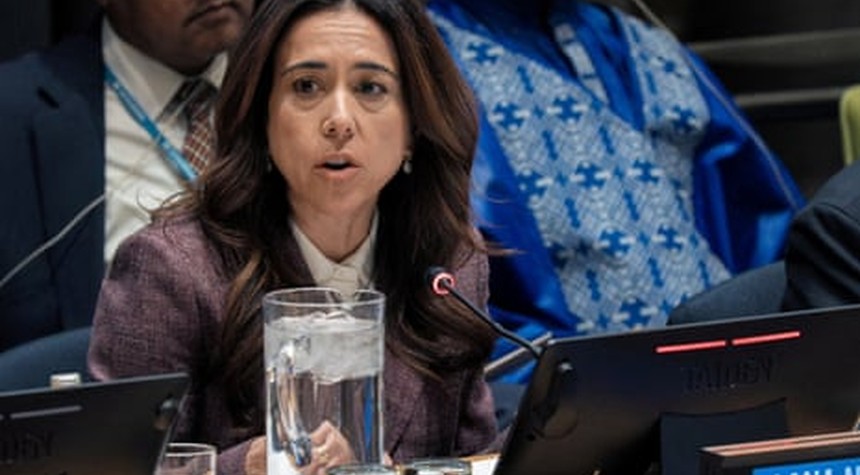
The United Arab Emirates’ nomination of diplomat Lana Nusseibeh to lead the United Nations has sparked significant opposition from human rights organizations and members of the Sudanese diaspora, who point to her consistent denial of accusations that the UAE has fueled Sudan’s ongoing civil war.
The UAE put forward Nusseibeh last week as a candidate to succeed Secretary General António Guterres, who completes his second five-year term later this year. The nomination has disrupted what had been a stalled selection process, but it has also brought renewed attention to the UAE’s alleged role in one of the world’s most devastating humanitarian crises.
For years, international observers and rights organizations have compiled evidence suggesting UAE support for the Rapid Support Forces, a paramilitary group accused of systematic atrocities against civilians in Sudan’s civil war. Most notably, the RSF has been implicated in an October 2025 attack on the city of El Fasher, which United Nations officials characterized as bearing the hallmarks of genocide.
Nusseibeh, who served as the UAE’s representative to the United Nations until 2024, has consistently echoed her government’s categorical denials of any involvement with the RSF. This stance now stands at the center of opposition to her candidacy.
Hala al-Karib, a prominent Sudanese activist focused on democracy and women’s rights who directs the Strategic Initiative for Women in the Horn of Africa, expressed grave concerns about the nomination. She stated that Nusseibeh has demonstrated no history of independence from her country’s policies regarding Sudan, and warned that Security Council endorsement would effectively constitute denial of the genocidal acts committed in El Fasher by the RSF.
At a virtual briefing organized by the human rights advocacy group Avaaz on Tuesday, criticism intensified. Ibrahim Alduma, who was raised in El Fasher and co-founded the human rights organization Sudan Action Hub, argued that Nusseibeh’s success would fundamentally undermine faith in the United Nations among those most affected by the conflict.
Alduma raised a pointed question about institutional credibility: How could Sudanese citizens, or any victims of war and international crimes, maintain trust that the UN would pursue justice if it elevated to its highest office a diplomat who has denied well-documented atrocities?
Husam Mahjoub, a Sudanese advocate and co-founder of the independent media outlet Sudan Bukra TV, framed the stakes in stark terms. He suggested that selecting the UAE’s senior diplomat as secretary general would place the world body’s leadership in the hands of a chief defender of the very government that Sudanese civilians need the UN to hold accountable.
Kenneth Roth, former executive director of Human Rights Watch, told the briefing that Nusseibeh has been directly questioned about the UAE’s role in arming and supporting the RSF, and has responded with blanket denials that disregard documented evidence. Such an approach, he argued, represents the opposite of what the international community requires in its next UN leader.
Bruno Stagno Ugarte, chief advocacy officer at Human Rights Watch, stated Wednesday that Nusseibeh’s dismissal of UN reports documenting connections between the UAE and the RSF has seriously undermined efforts to achieve justice and accountability for victims of the conflict.
In a statement issued Tuesday, Nusseibeh indicated that if selected for the position, she would support the work of the United Nations. The selection process for the next secretary general will involve negotiations among the Security Council’s permanent and rotating members in the coming months.
Related: United States Issues Stark Warning to Iran as G20 Ministers Gather in Atlanta