
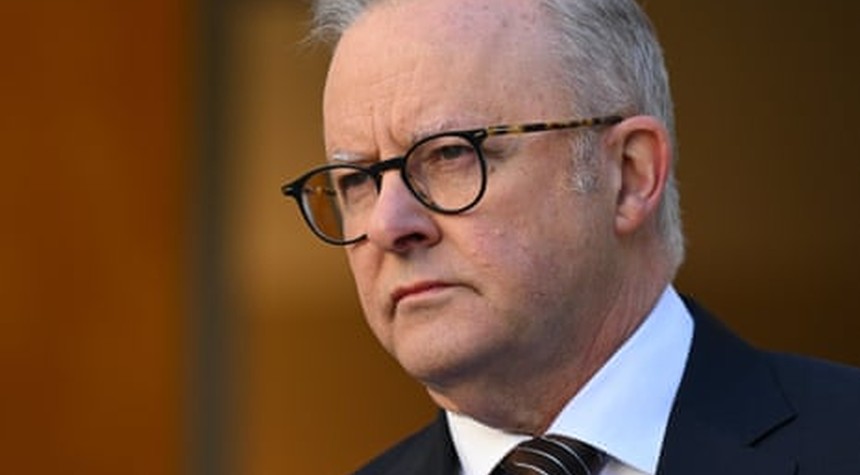
Australian Prime Minister Anthony Albanese departed Saturday for Antigua and Barbuda to attend the Commonwealth heads of government meeting, seeking what political analysts describe as a crucial opportunity to reaffirm his leadership credentials while domestic economic challenges mount at home.
The timing of this diplomatic engagement carries particular significance. Albanese will be abroad when the Reserve Bank delivers its interest rate decision on Tuesday, with financial markets anticipating an increase to 4.85 percent. If realized, this would mark the fifth rate hike in 2026, compounding the cost-of-living pressures that have increasingly troubled Australian households and complicated the government’s political position.
Dr. Zareh Ghazarian, an associate professor of politics at Monash University, characterized the summit as strategically timed for a prime minister managing multiple domestic controversies, including questions surrounding grant funding allocations. The international stage, Ghazarian suggested, provides an avenue for Albanese to project authority and steady leadership before a global audience.
At the biennial Commonwealth meeting, Albanese will conduct discussions with King Charles III and engage with fellow leaders including British Prime Minister Andy Burnham and Canadian Prime Minister Mark Carney. These consultations occur as the Commonwealth itself faces recurring questions about its continued relevance in the modern geopolitical landscape, with critics occasionally dismissing the organization as an anachronistic remnant of imperial history.
The prime minister defended the summit’s importance before his departure, emphasizing the forum’s utility for addressing shared challenges among partner nations. Climate change, ocean preservation, trade and investment frameworks, and the emerging implications of artificial intelligence constitute the primary agenda items for the gathered leaders.
One particularly contentious issue likely to dominate discussions concerns the historical legacy of slavery and its contemporary ramifications. British Prime Minister Burnham has indicated his willingness to engage in what he termed “difficult conversations” regarding this painful history. He noted that Britain led the world in abolishing slavery and suggested the nation could demonstrate similar leadership in addressing the ongoing consequences of the transatlantic slave trade, which he described as a brutal violation of human dignity.
For Albanese, the summit represents more than ceremonial diplomacy. With inflation pressures persisting and interest rates climbing, the Australian government faces the challenging task of maintaining public confidence while economic conditions tighten. The Reserve Bank’s anticipated rate increase will test both the prime minister and the treasurer’s ability to communicate a coherent economic message to an increasingly anxious electorate.
The Commonwealth meeting occurs during what officials describe as “summit season,” a period of intensified international diplomatic activity. For leaders managing complex domestic situations, these gatherings serve dual purposes: addressing genuine international concerns while simultaneously projecting competence and command before home audiences.
Whether this particular summit provides the political reset that Albanese’s advisers hope for remains to be seen. The prime minister’s return to Australia will coincide with renewed focus on economic conditions and the government’s response to monetary tightening. In politics, as in economics, timing matters considerably. Albanese has chosen to invest his time in Commonwealth diplomacy at a moment when economic pressures at home demand equally urgent attention.
The test of this decision will not be measured in the talks conducted abroad, but in whether the Australian public perceives their leader as effectively managing the nation’s economic challenges while fulfilling his international obligations.