
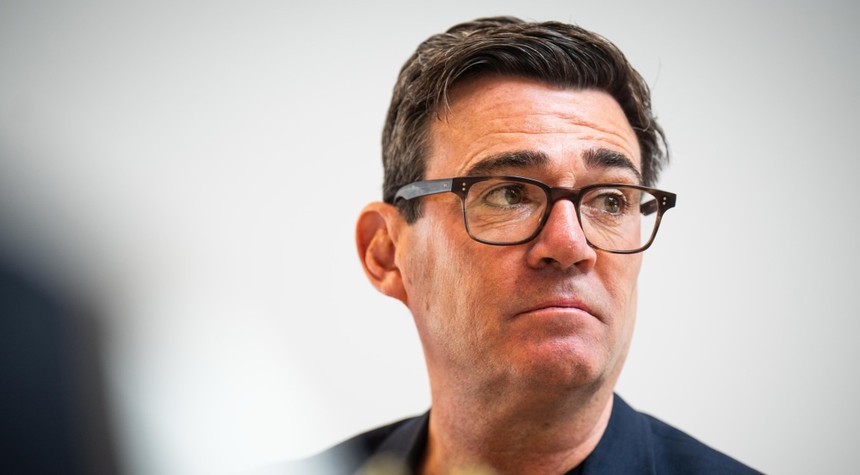
LONDON — In a significant departure from decades of British policy, Prime Minister Andy Burnham has indicated willingness to consider a formal apology for Britain’s central role in the trans-Atlantic slave trade, though he has firmly ruled out any financial reparations to affected nations.
The announcement represents a notable evolution in the United Kingdom’s position on this historic injustice. For years, successive British governments have consistently rejected both formal apologies and monetary compensation for the slave trade that enriched the British Empire while subjecting millions of Africans to unspeakable suffering.
Burnham’s comments, published in an opinion essay Friday, come as King Charles III continues his tour of Caribbean nations and as the Prime Minister prepares to attend the Commonwealth Heads of Government Meeting in Antigua and Barbuda next week. The timing is no coincidence. Caribbean leaders have intensified their demands for accountability as the monarch, serving as head of this family of nations, visits territories once under British colonial rule.
“We are offering a structured dialogue with those affected by the transatlantic slave trade,” Burnham wrote. “Listening to calls for a formal apology on behalf of the British state will form an important part of this process, and I am open to them.”
Yet the Prime Minister drew a clear line regarding financial compensation. He argued that British citizens today, who played no personal role in the slave trade, cannot be held financially liable for the actions of their forebears.
This position will likely prove unsatisfactory to Caribbean nations seeking more than symbolic gestures. The trans-Atlantic slave trade formed the economic backbone of European colonialism and British imperial expansion. Millions of Africans were forcibly transported to the Americas, where they cultivated profitable cash crops under conditions of unimaginable brutality, including systematic violence, torture, sexual abuse, and the complete denial of fundamental human rights.
Caribbean leaders have responded with cautious optimism to Burnham’s overture. Barbados Prime Minister Mia Mottley welcomed the openness to formal apology, while Jamaica’s Andrew Holness noted that open-minded dialogue provides a foundation for addressing difficult historical matters.
Jamaica has taken concrete legal action, presenting its case for reparations directly to King Charles. That case has now advanced to the United Kingdom’s highest court of appeal, setting the stage for a potentially precedent-setting legal battle.
The King’s recent Caribbean visit highlighted the ongoing tensions surrounding Britain’s colonial legacy. During his stop in the Bahamas, where he once granted independence in 1973 after three centuries of British rule, Charles encountered protesters from the Rastafarian community and others demanding compensation.
“Pay us what you owe us!” one woman called out. “I stand in memory of the horrors and the atrocities committed against Black people.”
In response, Charles acknowledged the painful history, stating it was “only right that we should acknowledge the great suffering and injustices of the past in these islands and beyond, even as we rejoice in the successes of the present.”
The question now becomes whether words of acknowledgment, however sincere, can satisfy nations seeking tangible redress for centuries of exploitation. Prime Minister Burnham’s willingness to engage represents progress, but his rejection of financial compensation suggests the road ahead remains long and contentious.
As the Commonwealth meeting approaches, the world will watch whether this family of nations can reconcile historical grievances with contemporary realities, or whether the wounds of the past remain too deep for mere dialogue to heal.
Related: Commonwealth Summit Offers Australian Leader Respite from Inflation Troubles