
Australia’s status as the last continent free from the deadly H5N1 avian influenza strain has come to an end, presenting what federal authorities describe as an unprecedented threat to the nation’s irreplaceable wildlife heritage.
Federal government analysis has identified more than 150 native bird species and 10 mammal species at very high risk of extinction or catastrophic population decline should the virus establish itself across the continent. The assessment, covering Australia’s 800 bird species and 350 mammal species, underscores the gravity of a situation that has already claimed millions of animal lives worldwide.
The virus made its Australian debut through two seabirds discovered near Esperance on Western Australia’s coastline. A brown skua and a giant petrel, found sick within kilometers of each other, both tested positive for the H5N1 strain. Western Australian authorities reported Tuesday that no additional cases have been detected, and current evidence suggests the virus has not yet spread to other wild populations.
What makes this biological threat particularly dire for Australia is the nation’s extraordinary biodiversity. A federal environment department spokesperson emphasized the unique challenge facing Australian wildlife: “Many of our birds and mammals are not found anywhere else in the world, making the impacts of H5 bird flu difficult to predict.”
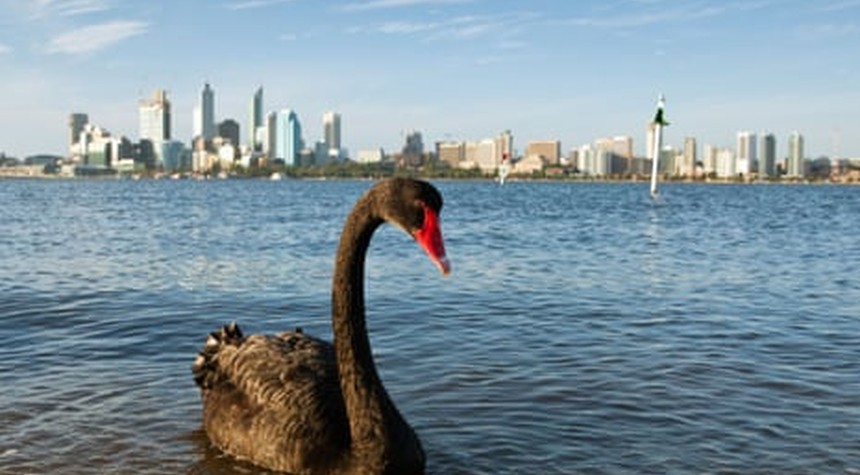
The very high risk category includes species already emblematic of Australian wildlife. Western Australia’s celebrated black swans top the vulnerability list, alongside the red goshawk, fairy tern, plains-wanderer, shy albatross, and western hooded plover. The black swans face particular danger due to their lack of certain immune genes that have helped other waterbird species combat the virus.
Migratory species present an equally troubling scenario. The short-tailed shearwater, renowned for its remarkable 15,000-kilometer migration from the Arctic Circle to Australian waters, ranks among the most vulnerable. These long-distance travelers could serve as vectors for viral spread while simultaneously facing heightened exposure risks.
Chris Purnell, wetland and migratory shorebird program manager at BirdLife Australia, who advised on the federal analysis, explained the assessment methodology considered both species-level extinction risk and regional population collapse. His observation carries particular weight: “For these endemic birds, there’s no avenue for repopulation from outside Australia. If they are gone, then they are gone.”
The threat extends beyond avian species. More than 10 mammal species face very high risk, including the already endangered Australian sea lion, the subantarctic fur seal, and the Australian fur seal. Additional species identified as potentially high risk include the Tasmanian devil and eastern quoll, both already facing conservation challenges.
To the credit of state and federal governments, preparations for this eventuality have been underway for several years. Authorities have developed 100 response plans targeting specific species and habitats, alongside comprehensive risk analyses for Australian wildlife. This advance planning may prove crucial in the coming months.
Western Australia’s agriculture minister, Jackie Jarvis, confirmed that ongoing testing of birds reported sick or dead by the public has yielded no new positive cases. This vigilance will be essential as authorities work to contain what could become an ecological catastrophe.
The situation developing across Australia serves as a stark reminder that in our interconnected world, no geographic isolation provides permanent sanctuary from emerging biological threats. How effectively Australia responds to this challenge may well determine the survival of species found nowhere else on Earth.
Related: Kushner-Backed Development Project Triggers Three Weeks of Protests in Albania