
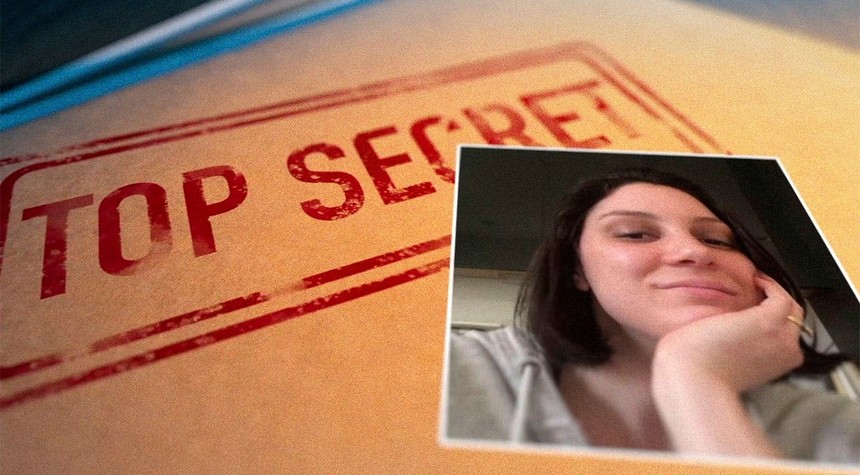
A disturbing pattern has emerged within America’s scientific community that demands the attention of the American people. At least eleven scientists working on sensitive defense and aerospace projects have died or disappeared under circumstances that authorities have classified as accidents, suicides, or remain unexplained. The concentration of these incidents among researchers engaged in classified work has prompted serious questions about whether these cases represent isolated tragedies or something more troubling.
Former Assistant FBI Director Chris Swecker has noted the striking commonality among the victims. Every one of these scientists was engaged in defense-related work, space technology, or nuclear rocket propulsion systems. These are not researchers working in ordinary academic settings. These are individuals entrusted with some of the most sensitive technological secrets our nation possesses.
Among the most recent cases is that of Amy Eskridge, a thirty-four-year-old researcher based in Huntsville, Alabama. Miss Eskridge’s work included projects for the Department of Homeland Security and research into the physics of unidentified aerial phenomena. Her death adds to a growing list that has caught the attention of members of Congress, who are now demanding answers from federal agencies.
The location of Miss Eskridge’s work is itself significant. Huntsville has long been known as Rocket City, home to NASA’s Marshall Space Flight Center and the Redstone Arsenal. The concentration of defense contractors, military installations, and classified research facilities in the area makes it a hub of American technological advancement and, consequently, a potential target for foreign intelligence operations.
Franc Milburn, a former British military intelligence officer, had established contact with Miss Eskridge through social media platforms before her death. His professional background in intelligence matters lends weight to concerns that these incidents warrant closer scrutiny than they have received.
The official explanations for these deaths and disappearances have done little to quiet the speculation. When accidents and suicides cluster among individuals working in the same sensitive fields, the American people have a right to expect thorough investigation. The question is not whether foul play occurred in every case, but whether our intelligence and law enforcement agencies have conducted the kind of comprehensive review that such a pattern demands.
This is not a matter of conspiracy theory. This is a matter of national security. If foreign intelligence services have identified vulnerabilities in our scientific community, if they have found ways to eliminate or compromise researchers working on critical defense projects, then we face a threat that goes beyond the loss of talented individuals. We face a systematic compromise of American technological superiority.
The families of these scientists deserve answers. The American people deserve to know whether adequate protections exist for researchers engaged in sensitive work. And our adversaries need to understand that the United States will not tolerate attacks on its scientific community, whether those attacks come through cyberspace, through traditional espionage, or through more direct means.
The time has come for a full accounting of these cases and a serious examination of security protocols surrounding defense research personnel. That is the way forward.
Related: United States Accelerates Nuclear Weapons Production as China Expands Arsenal