
FIFA has revoked the credentials of Paraguayan soccer commentator Jorge Chipi Vera following an extraordinary on-air outburst during his country’s World Cup match against Turkiye, a decision that underscores the governing body’s increasingly stringent control over tournament proceedings.
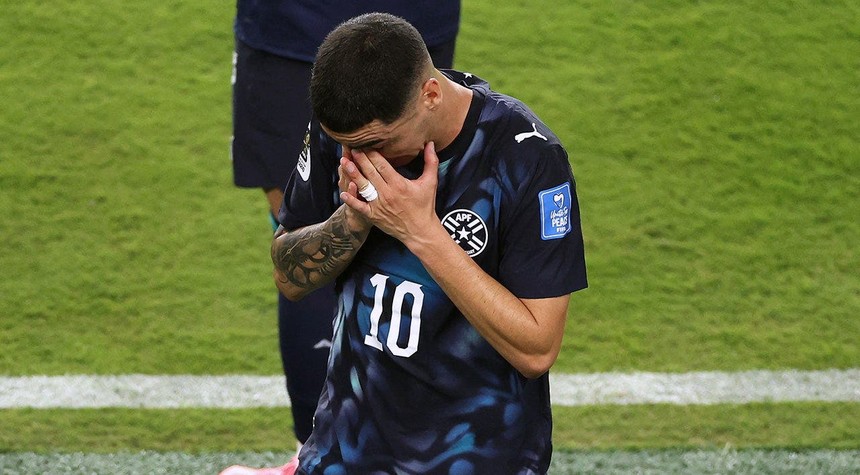
Vera, who was providing commentary for ABC Carnival and ABC TV, erupted in anger after Paraguay’s Miguel Almirón became the first player in World Cup history to receive a red card for violating FIFA’s controversial new rule prohibiting players from covering their mouths during on-field confrontations. Paraguay won the match 1-0, but the victory was overshadowed by the ejection and its aftermath.
The rule itself represents FIFA’s latest attempt to increase transparency in player conduct, though critics have questioned both its practicality and its enforcement. When match referee Ivan Baton ejected Almirón for the infraction, Vera’s frustration boiled over in spectacular fashion.
According to translations of the Spanish-language broadcast, Vera directed his ire at FIFA President Gianni Infantino and referee Baton, calling them expletive-laden names and accusing them of “killing football.” The commentator reportedly used profane language twenty times in succession during his tirade, a remarkable display that left little doubt about his feelings regarding the decision.
The incident raises important questions about the boundaries of broadcast professionalism and national passion during international sporting events. While commentators are expected to advocate for their national teams with enthusiasm, there remains an understood line between passionate support and professional conduct. Vera crossed that line decisively.
FIFA’s response was swift and unequivocal. The organization revoked Vera’s credentials, effectively ending his participation in covering the remainder of the tournament. This action demonstrates FIFA’s determination to maintain what it considers appropriate standards of conduct, not merely for players and coaches, but for media personnel as well.
Vera subsequently issued an apology, acknowledging his lapse in judgment. He stated that his outburst occurred in a moment of frustration over what he perceived as an injustice against his national team and a player from his country. He characterized his language as “offensive and unacceptable” and expressed regret for his comments directed at the referee and FIFA officials.
The controversy highlights the tension inherent in FIFA’s expanding regulatory reach. The mouth-covering rule, designed to prevent players from concealing potentially inflammatory remarks from lip-readers and cameras, has proven divisive since its implementation. Critics argue that such micromanagement of player behavior during the heat of competition represents overreach, while supporters contend that increased transparency serves the sport’s integrity.
Whether Vera’s punishment fits his transgression remains a matter of debate. His emotional investment in Paraguay’s success is understandable, yet his professional responsibility as a broadcaster demanded restraint he failed to exercise. The incident serves as a reminder that in an era of heightened scrutiny and instant global communication, words spoken in anger carry swift consequences.
And that is the way it is.
Related: Veteran Defense Strategist Questions Unverified Claims About Non-Human Remains