
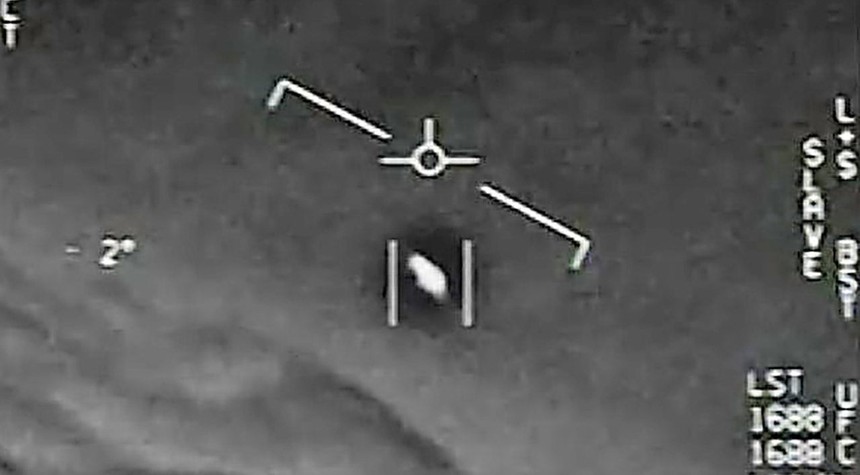
The debate surrounding unexplained aerial phenomena has entered a critical phase, one that demands rigorous scientific scrutiny rather than speculation. This became evident during a recent encounter in Wyoming that underscores the fundamental challenges facing serious investigators in this field.
Astrophysicist Avi Loeb, who serves on the UAP Governance Board, found himself in a revealing conversation with an individual who had spent years investigating more than one hundred reports of unidentified aerial phenomena connected to rocket launches along Florida’s Space Coast. While most cases yielded conventional explanations, several did not. The discussion took a more provocative turn when the investigator recounted testimony from a retired United States Navy officer who had served as a military mortician and claimed to have examined what he believed were the bodies of non-human beings.
The claim, dramatic as it sounds, represents precisely the kind of unverified assertion that has plagued serious inquiry into these phenomena. Rather than accepting the account at face value or dismissing it outright, Loeb applied the methodical approach that any experienced analyst should employ. He asked for photographs, laboratory reports, documentation of the chain of custody, and any form of independent corroboration. Without such evidence, the account remains what it is: intriguing but unsubstantiated.
This incident illuminates a broader truth about the current state of UAP investigation. After more than four decades of service, including twenty-four years as an Army officer and twenty-two years as a Pentagon strategist, Loeb has arrived at a sobering conclusion. The greatest danger in the UAP debate is not government secrecy, as many assume. It is public certainty.
The distinction matters enormously. Government secrecy, while frustrating to those seeking answers, often serves legitimate national security purposes. Intelligence collection methods, sensor capabilities, and strategic defense systems require protection. Public certainty, however, operates without such constraints or justifications. It breeds speculation that hardens into conviction without passing through the necessary stage of verification.
The establishment of a dedicated office to study UAP sightings, now fully funded, represents a step toward systematic investigation. Yet funding and institutional structure alone cannot substitute for the disciplined application of scientific method. Every claim must be tested. Every piece of evidence must be authenticated. Every witness account must be corroborated.
The American public deserves answers about unexplained aerial phenomena. Our military personnel who report these sightings deserve to be taken seriously. But the path to understanding runs through evidence, not assertion. It requires patience, rigor, and a willingness to say “we do not yet know” when the facts remain incomplete.
As this investigation moves forward, the challenge will be maintaining that discipline in an environment where sensational claims generate more attention than careful analysis. The truth, whatever it may be, will emerge only through the painstaking work of verification. Until then, skepticism and inquiry must remain our most reliable tools.
Related: Federal Analysis Warns 150 Bird Species at Severe Risk from Deadly Avian Flu Strain