
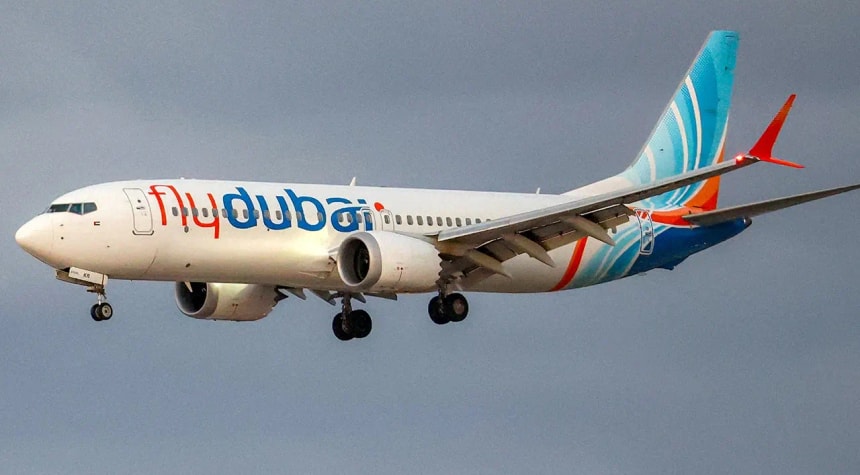
FlyDubai will resume service to Tel Aviv next week, marking the end of a suspension imposed after a harrowing attempted hijacking that tested the limits of one pilot’s courage and revealed vulnerabilities in commercial aviation security.
The Dubai-based carrier announced Thursday that flights will recommence on December 3rd, more than two months after Flight FZ1073 was diverted to Saudi Arabia when a co-pilot allegedly launched a violent attack against his captain. Israeli Transportation Minister Miri Regev approved the resumption this week, contingent upon clearance from the nation’s security apparatus, including Shin Bet, Mossad, and the National Security Council.
According to sources familiar with the matter, FlyDubai will operate under new security arrangements designed to prevent a recurrence of the September 30th incident. The specifics of these arrangements have not been made public, though such measures typically involve enhanced crew vetting, additional security personnel, and modified cockpit protocols.
The incident that prompted the suspension stands as one of the more dramatic examples of aviation heroism in recent memory. Captain Smit Machchhar, an Indian national, was stabbed by his co-pilot in the cockpit during the flight to Tel Aviv. Despite severe injuries, Machchhar fought off his attacker and managed to unlock the cockpit door, allowing Israeli passengers and the Emirati crew to intervene and subdue the assailant.
The aircraft was safely diverted to Tabuk, Saudi Arabia, where all passengers disembarked without further incident. Israel’s Foreign Ministry praised Machchhar’s actions, while India’s Prime Minister described the captain’s response as representing the highest form of courage.
Israeli investigators subsequently determined the attack was not spontaneous. Hamam al-Hammami, the co-pilot, allegedly told authorities he had planned to continue the flight toward Israel, obtain necessary clearances to approach Ben Gurion Airport, and then deliberately crash the aircraft into either a building or another plane at the facility. The plan represented a chilling echo of the September 11th attacks, though thankfully one that was thwarted by the captain’s quick response and the intervention of passengers and crew.
The resumption of FlyDubai service carries significance beyond mere commercial aviation. The route represents part of the broader normalization of relations between Israel and the United Arab Emirates, formalized through the Abraham Accords signed in 2020. These agreements opened direct flights between the two nations for the first time, facilitating tourism, business, and cultural exchange.
The September incident tested that relationship, raising questions about security protocols and the vetting procedures for flight crews on routes serving Israel. That Israeli authorities have now approved the resumption suggests confidence that whatever gaps existed have been addressed.
The decision also reflects the practical realities of maintaining the Abraham Accords. These agreements were predicated not merely on diplomatic formalities but on tangible people-to-people connections. Suspended flights serve neither Israeli nor Emirati interests, particularly as both nations work to deepen economic and strategic cooperation.
As FlyDubai prepares to return to Israeli skies, the incident serves as a reminder that the threats facing commercial aviation persist in various forms, and that the first line of defense often rests with the individuals in the cockpit who must respond with both skill and extraordinary courage when those threats materialize.
Related: Britain Contacts Thousands of Former Military Personnel as Russian Threat Intensifies