
Ukrainian military intelligence reported Thursday that North Korea has temporarily suspended shipments of ballistic missiles and artillery shells to Russia, marking an unexpected fissure in what has been portrayed as an increasingly close wartime partnership between Moscow and Pyongyang.
The halt in weapons deliveries, which includes the KN-23 ballistic missile system and various artillery munitions, reportedly stems from diplomatic friction over Russia’s recent diplomatic overtures toward South Korea. According to Ukraine’s intelligence service, North Korean Foreign Minister Choe Son Hui announced the freeze last month after Russian Deputy Foreign Minister Andrey Rudenko suggested that Moscow might assist in reducing tensions between Seoul and Pyongyang.
The North Korean response was evidently sharp. Choe demanded clarification of Russia’s policy toward South Korea, a demand that appears to have resonated through the military relationship between the two nations. The reported suspension extends beyond mere weapons deliveries to include Russian military flights over North Korean territory. Additionally, a Kremlin request to expand North Korea’s troop deployment in Russia from approximately eight thousand five hundred soldiers to fifty thousand has been placed on hold.
What makes this development particularly significant is the context in which it occurs. Russia has been struggling to maintain adequate force levels in Ukraine, with casualty figures mounting steadily. The loss or delay of North Korean military support, whether in personnel or materiel, represents a meaningful complication for Russian military planning.
Deputy Foreign Minister Rudenko, who manages Russia’s Asian diplomatic portfolio, indicated last month that South Korea had expressed interest in normalizing relations and resuming direct flights with Moscow following the conclusion of hostilities in Ukraine. This diplomatic feeler, modest though it may be, appears to have struck a nerve in Pyongyang.
Despite the reported freeze, North Korean military forces remain deployed on Russian soil. Ukrainian intelligence indicates that units from North Korea’s Eleventh Corps continue to operate in the Kursk region, while a missile unit has been stationed in Voronezh since mid-summer. These forces represent a continuing commitment, even as new deployments and weapons shipments remain suspended.
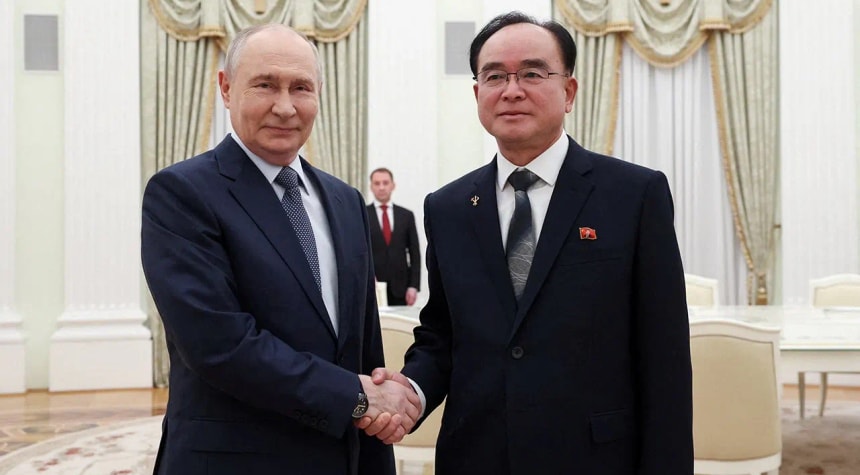
The diplomatic picture became more complex last week when Russian President Vladimir Putin received Jo Yong Won, a senior aide to North Korean leader Kim Jong Un, at the Kremlin. Both parties reportedly expressed satisfaction with bilateral cooperation, suggesting that whatever tensions exist may be manageable.
Meanwhile, the immediate military situation in Ukraine shows no signs of improvement. Ukrainian President Volodymyr Zelenskyy issued warnings Thursday that Russia is preparing another major strike against Ukraine’s energy infrastructure and critical services. Russian missile and drone attacks overnight damaged residential buildings, medical facilities, and businesses across six regions, leaving repair crews working to restore electrical service.
In Washington, President Donald Trump reported that during recent discussions in China, he urged Putin to cease military operations against territories throughout Europe to facilitate rapid progress toward a settlement between Russia and Ukraine. American envoy Jared Kushner, working alongside Steve Witkoff to mediate the conflict, suggested that Putin has demonstrated restraint by forgoing nuclear weapons use, though he acknowledged that negotiations remain stalled over the fundamental question of Ukrainian territory.
The North Korean weapons pause, should it prove accurate and sustained, adds another variable to an already complex diplomatic and military equation. Whether it represents a genuine rift or merely a temporary negotiating posture remains to be seen.
Related: Britain Contacts Thousands of Former Military Personnel as Russian Threat Intensifies