
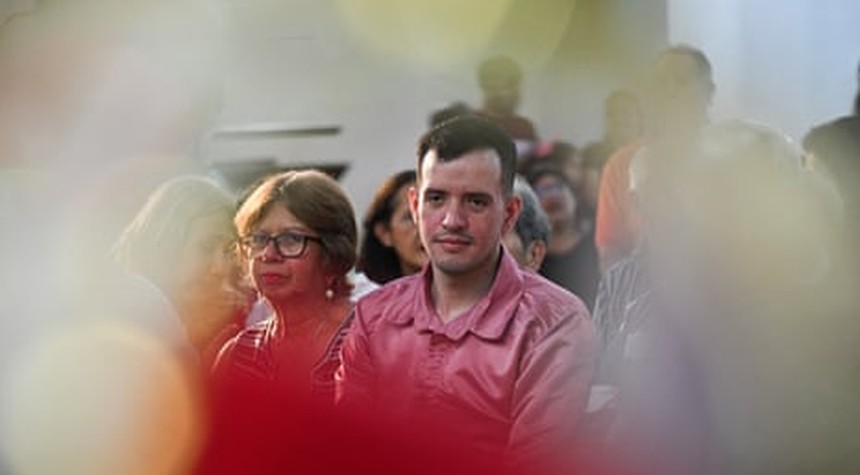
A Venezuelan man who was controversially deported from the United States to El Salvador’s maximum security prison has now fled to Spain seeking asylum, citing fears for his safety in his homeland and distrust of American legal proceedings.
Andry José Hernández Romero, a 33-year-old hairstylist and makeup artist, arrived in Spain in early February and awaits his initial asylum hearing in the coming days. He left Venezuela originally to escape persecution as a gay man and the dangers associated with opposing the government of President Nicolás Maduro.
Speaking from southern Spain in his first interview since departing for Europe, Hernández expressed cautious optimism about his circumstances while acknowledging the lasting trauma from his ordeal. “I can say I feel safe here, this is a place where I can be reborn, heal my mental health, let people know about my abilities as a makeup artist and find the happiness they took away from me more than a year ago,” he stated.
Hernández became internationally known last year as one of 253 Venezuelan migrants abruptly deported from the United States to El Salvador’s Cecot prison, a facility designed for alleged terrorists and gang members. The deportations occurred without standard legal procedures, without notification to the detainees’ families, and reportedly in defiance of a judicial order.
Images of the group being forcibly processed, their heads shaved, lined up on the ground in submission, circulated globally as evidence of the Trump administration’s stringent immigration enforcement policies. The detainees were held incommunicado for months in cage-like conditions, accused of connections to Venezuelan gangs. Hernández and his fellow detainees categorically denied these allegations.
International human rights organizations documented psychological and physical abuse of the detainees, including incidents of sexual violence, during their months-long imprisonment. The group was eventually released in a prisoner exchange last summer and returned to Venezuela.
Upon his return home, Hernández received a warm welcome and initially promised his family he would remain in Venezuela permanently. However, within weeks, his sense of security deteriorated following an unexpected visit to his family home in Táchira state.
“I had received a call from the vice-president’s office and I was offered a job, which I declined, and then they came to my house and my family had to tell them I wasn’t there,” Hernández explained. He had concealed himself during the visit, fearing potential consequences of his refusal.
The case raises substantial questions about deportation procedures, international cooperation on immigration enforcement, and the treatment of asylum seekers. It also highlights the complex circumstances facing Venezuelans who flee their country seeking protection, only to find themselves caught between multiple governments with competing interests.
Hernández now hopes Spain’s approach to asylum cases will provide him the security and stability that eluded him in both the United States and Venezuela. His story serves as a reminder of the human costs embedded in international immigration policy and the enduring challenges faced by those seeking refuge from persecution.
The outcome of his asylum petition in Spain remains uncertain, but for now, Hernández reports feeling safer than he has in over a year.
Related: NATO Allies Express Confusion Over Shifting American Military Presence in Europe