
The Islamic Republic of Iran may be employing time-tested stalling tactics during current nuclear negotiations, according to a former State Department official who served in the previous Trump administration.
Morgan Ortagus, who held a senior diplomatic position under President Trump, issued the warning Wednesday following her participation in the Middle East Forum in Washington. Her comments come as the current administration has paused planned military strikes against Iranian targets and extended a ceasefire to allow diplomatic channels to remain open.
“It’s the tactic of the regime to stall, to draw negotiations, to buy time,” Ortagus stated when discussing Iran’s historical approach to international diplomacy. She emphasized that this pattern has repeated itself across multiple administrations and negotiating frameworks.
The former envoy urged President Trump to remain vigilant against what she characterized as a deliberate Iranian strategy. “I would encourage the president not to fall into the trap that the Iranians like to do, which is to drag things out to buy time,” she said.
This warning carries particular weight given the delicate balance the administration currently faces. The decision to pause military action represents a significant shift in approach, one that prioritizes diplomatic solutions while maintaining the threat of force as leverage. However, critics of past negotiations with Tehran have long argued that Iran exploits these diplomatic windows to advance its nuclear program and regional ambitions.
The concerns raised by Ortagus reflect a broader debate within American foreign policy circles about how to effectively engage with the Iranian regime. Historical precedent suggests that Tehran has indeed used extended negotiations to its advantage, most notably during the Obama administration’s pursuit of the Joint Comprehensive Plan of Action.
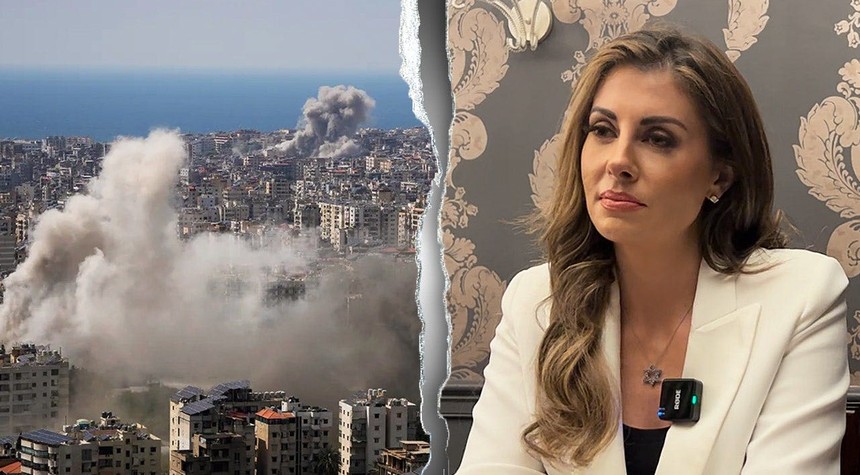
Beyond the nuclear question, Ortagus also addressed the regional security architecture in the Middle East. She identified Hezbollah, the Iranian-backed militant organization operating primarily from Lebanese territory, as the principal obstacle to lasting peace between Israel and its neighbors. This assessment places responsibility not on the Lebanese state itself, but on the proxy forces that Tehran has cultivated and supported for decades.
The distinction matters considerably for policy formulation. If Hezbollah rather than Lebanon represents the core challenge, then diplomatic and military strategies must account for Iran’s influence over the organization. This reality complicates any potential normalization efforts between Israel and Lebanon, as the Lebanese government exercises limited control over Hezbollah’s actions.
The current negotiations occur against a backdrop of heightened regional tensions. Iran’s nuclear program has advanced significantly in recent years, and its network of proxy forces across the Middle East continues to threaten American interests and allies. The administration’s willingness to pursue diplomatic solutions while maintaining military options reflects the complexity of the challenge.
Whether Iran will negotiate in good faith remains the central question. The regime in Tehran has demonstrated remarkable resilience and strategic patience over four decades. As negotiations continue, American policymakers must weigh the potential benefits of diplomatic breakthrough against the historical pattern of Iranian delay and deception.
Related: Thailand Reduces Visa-Free Stay Period Amid Rising Crime Concerns