
The United States and Canada find themselves locked in an increasingly contentious dispute that extends beyond trade policy into the realm of geographic nomenclature, as President Trump’s executive order renaming Lake Ontario to Lake America has sparked fierce resistance from Canadian officials.
The controversy represents the public manifestation of deeper economic tensions between the two nations, centered on the administration’s imposition of a 50 percent tariff on Canadian steel and subsequent retaliatory measures from Ottawa. What might once have been dismissed as symbolic posturing has taken on substantive dimensions, affecting how millions of citizens view one of North America’s Great Lakes.
The president’s Thursday executive order directing federal agencies to refer to the body of water as Lake America has already produced tangible results. Google Maps has complied with the directive, displaying the new designation for users within the United States while maintaining Lake Ontario for Canadian viewers. The technology company explained its decision as consistent with established practices of reflecting official government naming conventions in maps and services.
Canadian Prime Minister Mark Carney has categorically rejected the American renaming effort. Carney emphasized the historical significance of the current name, which derives from the Indigenous Wendat language and translates to “the lake is beautiful, the lake is great.” This nomenclature has endured for more than four centuries, predating European colonial presence in the region by generations.
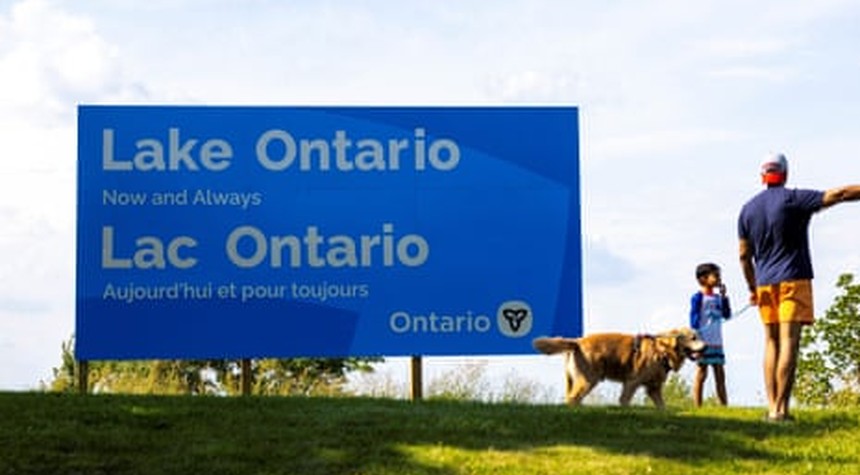
Ontario Premier Doug Ford responded with his own symbolic gesture, erecting a prominent sign declaring “Lake Ontario. Now and Always” as a public statement of provincial resolve. The president countered Saturday with social media posts featuring digitally altered imagery showing himself removing a Lake Ontario sign and replacing it with Lake America signage.
This represents the second such geographic renaming initiative from the current administration. Earlier measures directed federal agencies to refer to the Gulf of Mexico as the Gulf of America, establishing a pattern of asserting American nomenclature over shared international waters.
The federal Geographic Names Information System, which establishes standards for official United States cartography, now reflects both changes. However, Google has clarified that users outside North America will see both names displayed, and Canadian mapping conventions remain entirely unaffected by American administrative actions.
The dispute occurs against a backdrop of stalled negotiations regarding the broader trade disagreement. Both nations maintain their positions, with neither showing inclination toward compromise on the fundamental issues driving the conflict.
What remains unclear is whether these naming controversies serve as leverage in trade discussions or represent separate expressions of national identity and sovereignty. The integration of geographic nomenclature into international disputes marks an unusual development in diplomatic relations between nations that have historically maintained cooperative partnerships.
The situation illustrates how modern trade conflicts can extend beyond traditional economic measures into cultural and historical domains. As negotiations remain at an impasse, both governments appear willing to pursue symbolic victories while substantial economic questions remain unresolved.
The effectiveness of such tactics in achieving concrete policy outcomes remains to be demonstrated. What is certain is that the waters of the Great Lakes, regardless of their designation on American or Canadian maps, continue to flow between two nations whose economic and geographic destinies remain fundamentally intertwined.
Related: Britain Grants Permanent Residence to Half a Million Annually as Housing Crisis Deepens