
The Trump administration has executed a significant expansion of its third country deportation program, sending more than 100 individuals to eight African nations over a ten-day period, according to internal government documents.
Three Immigration and Customs Enforcement flights transported deportees from Afghanistan, Cuba, Nicaragua, Iran, Nepal, Turkey, and Venezuela to Burundi, Cameroon, the Central African Republic, Equatorial Guinea, Eswatini, Liberia, Rwanda, and Sierra Leone. Notably, none of those deported were citizens of the countries to which they were sent.
The federal documents reveal an intensifying campaign by the administration to utilize third country deportation agreements as a tool for removing individuals who entered the United States illegally or lack proper documentation to remain. These agreements have brought more than thirty nations worldwide into cooperation with American immigration enforcement efforts.
While Latin American countries including Costa Rica, Panama, and Paraguay have established such arrangements, a growing number of African nations have entered into these deportation agreements. Some of these countries face considerable internal challenges. The Central African Republic, the Democratic Republic of the Congo, and South Sudan all contend with armed conflict, political instability, and documented human rights concerns.
The scope and terms of these international agreements have remained largely confidential. However, available information suggests varying levels of acceptance among participating nations. Ghana and Sierra Leone appear to have agreed only to receive deportees from other African countries. In contrast, Eswatini, the Central African Republic, and Liberia have accepted individuals from Latin America, Europe, and Asia.
The deportees represent a mixed population. Some possess criminal records in addition to immigration violations. Detainees sent to Eswatini and South Sudan include individuals convicted of violent and serious crimes in the United States, where officials have placed them in detention facilities. However, a substantial portion of those deported lack any criminal history beyond immigration violations.
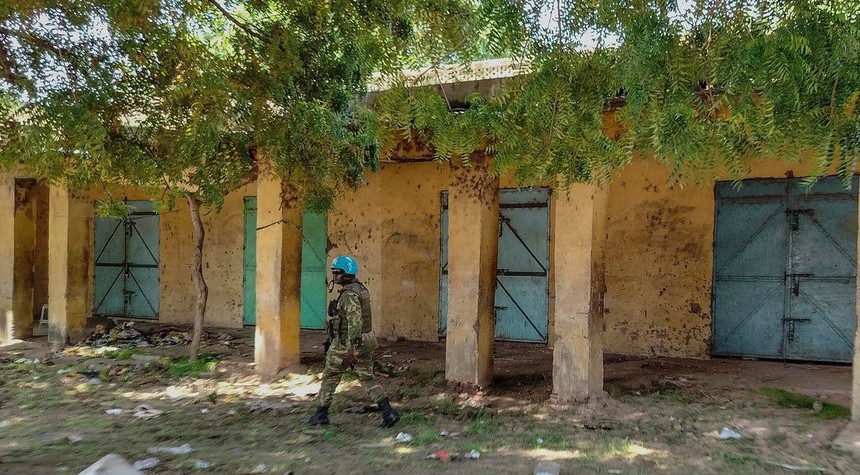
The most recent flight delivered deportees to Sierra Leone and the Central African Republic. The latter destination raises particular concerns regarding deportee safety. The landlocked nation has experienced sustained armed conflict and the presence of Russian mercenary forces has contributed to widespread instability. The State Department maintains a Level 4 travel advisory for the Central African Republic, the highest warning level, advising all Americans to avoid travel there due to pervasive violence and insecurity.
The administration’s approach represents a departure from traditional deportation practices, which typically returned individuals to their countries of origin. The third country model instead relies on negotiated agreements with nations willing to accept foreign nationals expelled from the United States, regardless of their citizenship or prior connection to the receiving country.
Questions remain about the conditions these deportees will face upon arrival and the legal frameworks governing their status in countries where they hold no citizenship rights. The Departments of Homeland Security and State have been contacted for comment regarding these deportations and the criteria used in selecting recipient nations.
Related: Britain Grants Permanent Residence to Half a Million Annually as Housing Crisis Deepens