
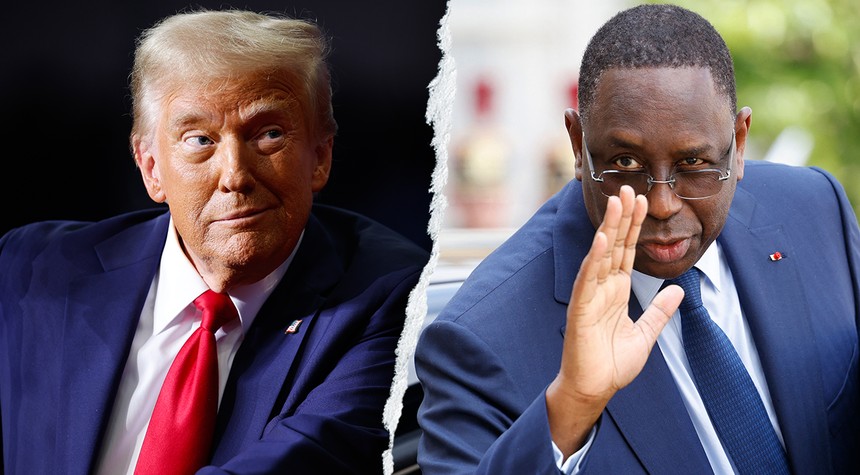
A former African head of state seeking to lead the United Nations has embraced an American-inspired reform agenda, signaling what may be a broader shift in attitudes toward the international body’s effectiveness and purpose.
Macky Sall, who served as president of Senegal until recently, has emerged as a leading candidate for United Nations secretary general. In recent statements, Sall has aligned himself with calls for substantial reform of the organization, going so far as to adopt the phrase “Make the U.N. Great Again,” or MUNGA, a slogan that has gained currency within the halls of the international body.
Sall’s comments reflect a noteworthy appreciation for American leadership in global affairs. He characterized the United States as “the first power in the world to be with the U.N.” while acknowledging the mutual dependence between Washington and the international organization. “They need to be with the U.N.,” Sall stated, before adding his own assessment that “the U.N. also should be reformed to be efficient.”
The Senegalese statesman’s embrace of reform-minded language comes as Ambassador Mike Waltz, the current U.S. representative to the United Nations, has pushed back against suggestions that American financial obligations lie at the heart of the organization’s budgetary difficulties. Waltz has emphasized America’s position as the U.N.’s largest contributor while simultaneously pressing for institutional changes.
According to Hugh Dugan, a veteran observer of United Nations operations with 26 years of service as a U.S. delegate to the body, the MUNGA concept has resonated beyond American circles. Dugan, who advised eleven U.S. ambassadors during his tenure and served on the National Security Council, now leads Multilateral Accountability Associates, an organization dedicated to oversight of international bodies.
Dugan’s assessment suggests that dissatisfaction with the United Nations extends well beyond Washington. “There’s been a long-time dissatisfaction among the broader membership at the U.N. on this very matter,” he explained, referring to concerns that the organization has become entangled in bureaucratic inefficiency.
The frustrations center on the perception that the United Nations has struggled to fulfill its foundational purposes: maintaining international peace and security, fostering cooperative relations among nations, and promoting global collaboration on shared challenges. These core functions, established in the organization’s charter nearly eight decades ago, remain as relevant today as they were in the aftermath of global conflict.
The current secretary general, António Guterres of Portugal, will complete his term in the coming period, setting the stage for a selection process that may prove consequential for the organization’s future direction.
Whether the reform momentum represents a passing political fashion or a genuine opportunity for institutional renewal remains to be seen. What appears certain is that member states across the ideological spectrum have begun questioning whether the United Nations, as currently constituted, can effectively address the complex security and diplomatic challenges of the present era.
The convergence of American reform advocacy and support from candidates like Sall suggests that calls for change at the United Nations may be reaching a critical mass. How the organization’s member states respond to these pressures will likely shape international cooperation for years to come.
That is the situation as it stands this evening.
Related: Federal Police Arrest Spanish Citizen at São Paulo Airport for Alleged Racial Abuse