
The fragile state of Middle Eastern diplomacy came into sharp relief this weekend as a deadly attack on United Nations peacekeepers in southern Lebanon underscored the region’s persistent volatility, while Iranian officials publicly rejected American assertions that negotiations between the two nations were progressing.
One French soldier serving with the United Nations Interim Force in Lebanon was killed and three others wounded in an incident near al-Ghandouriya in the Bint Jbeil area. French President Emmanuel Macron stated that all available evidence pointed to Hezbollah responsibility for the attack. The Iranian-backed militant organization, however, issued a categorical denial, calling for restraint in assigning blame until Lebanese military investigators could determine the full circumstances.
Lebanese army officials reported the arrest of seven Lebanese civilians and one Palestinian on charges of firing weapons and possessing unlicensed military arms. Authorities indicated their search continues for additional suspects connected to the incident. The attack represents yet another challenge to the already tenuous peacekeeping mission that has operated in southern Lebanon for decades, attempting to maintain stability along the Israeli-Lebanese border.
The incident occurred against a backdrop of contradictory signals regarding American-Iranian relations. President Trump characterized ongoing negotiations as proceeding favorably during weekend remarks. Iranian officials, however, painted a starkly different picture. Mohammad Reza Aref, Iran’s First Vice President, dismissed American diplomatic efforts in blunt terms, calling the President’s policies a mixture of delusion and contradictory rhetoric. Writing in Persian on social media, Aref declared that Iran’s response would manifest not through words but through what he termed the “glory of the battlefield.”
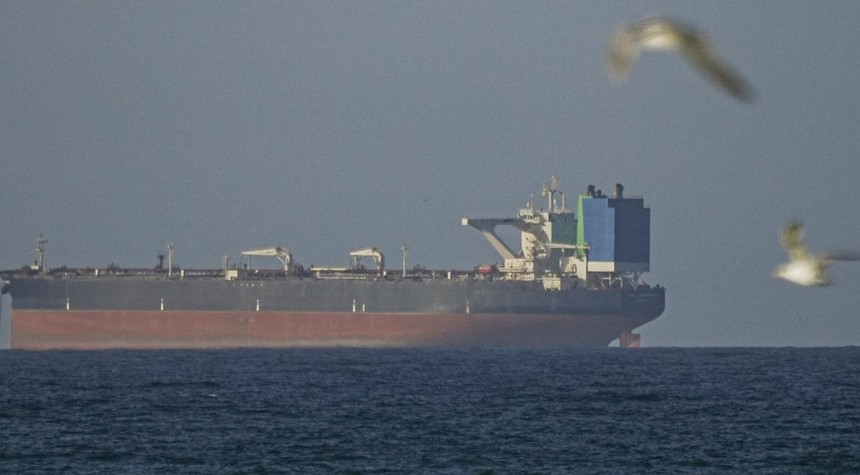
The Iranian official pointed to what he characterized as a successful circumvention of maritime restrictions and a substantial increase in oil exports as evidence of Iranian resolve. His statement came during the same timeframe as President Trump’s White House press conference, highlighting the gulf between the two governments’ public positions.
Mohammad Bagher Zolghadr, secretary of Iran’s Supreme National Security Council, provided a somewhat different assessment, acknowledging that Tehran had received new American proposals transmitted through Pakistani intermediaries. These proposals, Zolghadr stated, were under review. He emphasized Iranian insistence on maintaining control over the Strait of Hormuz, including the collection of fees from vessels for security, safety, and environmental services along Iranian-designated routes.
Zolghadr warned that any attempt to disrupt maritime traffic or impose naval blockades would constitute a ceasefire violation, potentially preventing even limited reopening of the strategic waterway through which approximately one-fifth of global oil supplies transit.
Adding to Iran’s international isolation, the monitoring organization NetBlocks reported that the internet blackout imposed by Iranian authorities has now entered its fiftieth day, an unprecedented duration for a connected society. The shutdown, which NetBlocks said has lasted 1,176 hours, continues to impact the livelihoods and fundamental rights of ordinary Iranians. The organization confirmed this represents the longest nationwide internet shutdown on record, surpassing that threshold in early April.
The convergence of these developments illustrates the complex challenges facing American diplomacy in the Middle East, where public statements often diverge sharply from private negotiations, and where regional proxy conflicts continue to claim lives even as broader discussions proceed.
Related: Hegseth Warns Iran of Consequences Should Diplomatic Negotiations Fail