
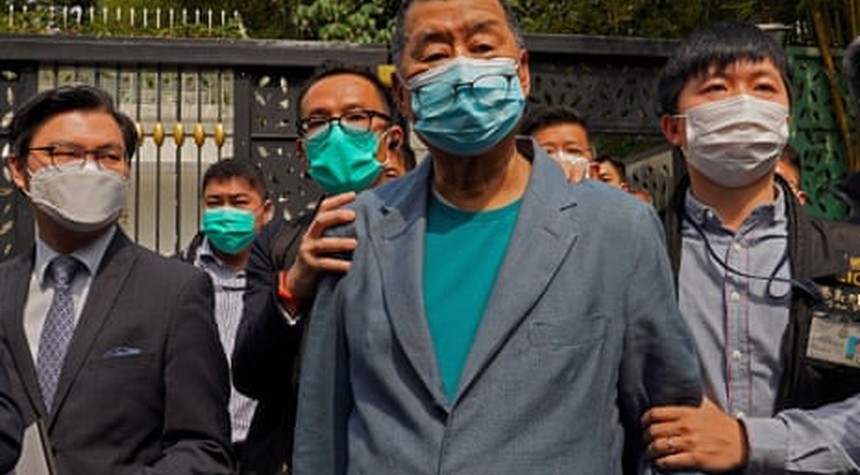
The sentencing of 78-year-old media proprietor Jimmy Lai to 20 years imprisonment in Hong Kong marks what international observers are calling the definitive end of press freedom in the former British territory. This is a story that extends far beyond one man’s fate. It represents the complete transformation of a once-vibrant free city into an apparatus of authoritarian control.
Lai, founder of the now-shuttered Apple Daily newspaper, was convicted in December on charges of sedition and conspiracy to collude with foreign forces under Hong Kong’s sweeping national security law. He had maintained his innocence throughout the proceedings. The judges characterized him as the “mastermind” behind conspiracies against the state, though they did grant minor sentence reductions based on his deteriorating health condition.
The severity of this sentence cannot be overstated. It stands as the harshest penalty yet imposed under Hong Kong’s national security legislation, a legal framework that has systematically dismantled the freedoms that once distinguished this city from mainland China. For a man of Lai’s age and declining health, this sentence amounts to life imprisonment by another name.
His family’s response has been one of anguish and defiance. His daughter Claire described the sentence as “heartbreakingly cruel,” while his son Sebastien termed it “draconian” and “devastating.” Their assessment that Jimmy Lai may well “die a martyr behind bars” appears tragically accurate given the mathematics of age and incarceration.
The international response has been swift and unified in condemnation. Reporters Without Borders declared that “the curtain falls on press freedom in Hong Kong,” while Human Rights Watch characterized the sentence as “effectively a death sentence” and “profoundly unjust.” Amnesty International described it as “another grim milestone in Hong Kong’s transformation from a city governed by the rule of law to one ruled by fear.”
The contrast with Hong Kong’s official response could not be starker. Chief Executive John Lee called the sentencing “deeply gratifying,” describing Lai’s crimes as “heinous and evil in the extreme.” Police officials characterized the sentence as “appropriate” and dismissed concerns about Lai’s health as exaggerated. Beijing’s foreign ministry spokesperson termed the proceedings “legitimate” and “reasonable.”
The British government, which handed Hong Kong back to China in 1997 under promises of maintained freedoms, has called for Lai’s release on humanitarian grounds. Foreign Secretary Yvette Cooper noted that for a man of Lai’s age, this sentence is tantamount to life imprisonment.
What we are witnessing is not merely the persecution of one elderly publisher. This is the systematic elimination of independent journalism and free expression in a city that once stood as a beacon of liberty in Asia. The message being sent is unmistakable: criticism of the Communist Party will not be tolerated, and those who dare to speak freely will face the full weight of state power.
The question now facing the international community is what, if anything, can be done to preserve even a remnant of Hong Kong’s former freedoms. For Jimmy Lai, that question may have already been answered by the iron bars of his prison cell.
Related: Oman Mediates Renewed Diplomatic Contact Between Washington and Tehran