
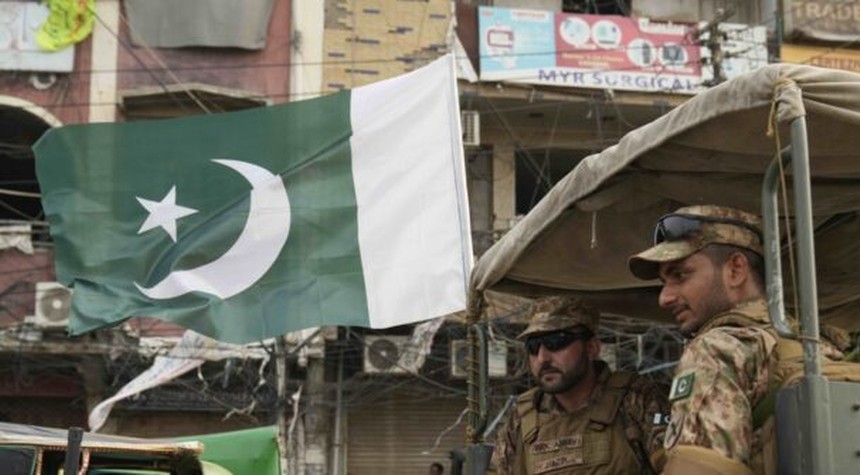
Three Muslim-majority nations have reportedly committed troops to the International Stabilization Force intended to patrol Gaza under President Donald Trump’s ceasefire framework, marking a significant development in a plan that has struggled to gain regional support.
Indonesia, Pakistan, and Azerbaijan are expected to provide personnel for the ISF, according to reports from Israeli media outlets. The force will be tasked with maintaining internal security and policing operations within Gaza, assisting Israel in border security, and preventing weapons smuggling into the territory.
The commitment from these three nations comes after several Arab states declined participation in the stabilization effort. Arab governments have expressed concern about potential confrontations with Hamas, which continues to refuse disarmament, and fear being perceived as an occupying force aligned with Israeli interests against Palestinian populations.
The composition of the proposed force reflects an interesting geopolitical arrangement. Indonesia, the world’s most populous Muslim nation, has previously been discussed as a potential participant in the Abraham Accords, the normalization agreements brokered during the first Trump administration. Pakistan, a nuclear-armed Islamic republic, recently formalized a defense alliance with Saudi Arabia while maintaining its longstanding tensions with India, a country that enjoys robust relations with Israel. Azerbaijan, which shares a border with Iran, maintains notably warm diplomatic and defense ties with Israel, including significant cooperation on technology and security matters.
Israeli Prime Minister Benjamin Netanyahu has emphasized that Israel retains veto power over which nations participate in the stabilization force. Speaking at a government meeting, Netanyahu stated that Israel maintains control over its security arrangements and will determine which international forces are acceptable or unacceptable for deployment. He noted that senior American officials have acknowledged Israel’s authority in this matter.
The 20-point ceasefire plan represents one of the Trump administration’s most ambitious diplomatic initiatives in the Middle East. The success of the stabilization force will likely depend on whether these three nations can effectively navigate the complex security environment in Gaza while maintaining neutrality in the eyes of Palestinian civilians.
In a separate development signaling improved security conditions, Israel has removed emergency status designations from southern portions of the country for the first time since the October 7, 2023 terror attacks that triggered the current conflict. That designation had remained in place for nearly two years as communities near the Gaza border faced persistent security threats.
The willingness of Indonesia, Pakistan, and Azerbaijan to participate in the ISF, despite hesitation from Arab nations, suggests that the international community recognizes the necessity of establishing stability in Gaza, even as disagreements persist over the long-term political resolution of the Israeli-Palestinian conflict.
Whether this force can successfully maintain order while Hamas remains armed and operational represents perhaps the greatest challenge to the Trump administration’s ceasefire framework.
Related: Russia Claims Successful Test of Unlimited-Range Nuclear Missile