
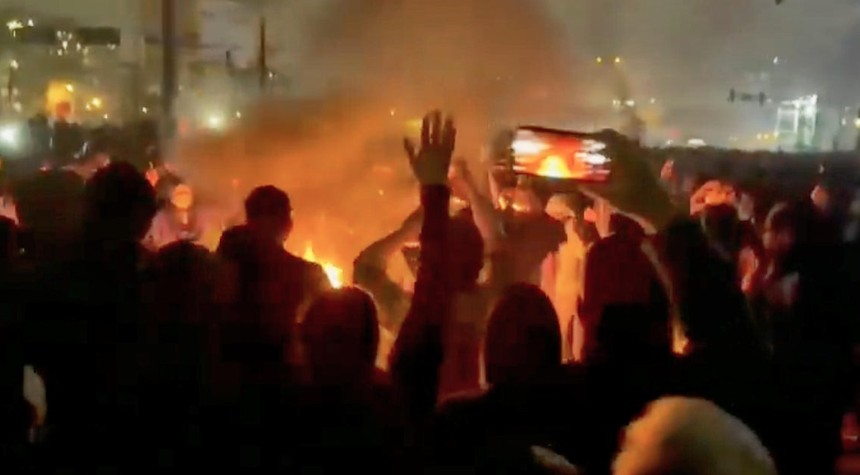
Iran has executed three men convicted of participation in anti-government protests that swept across the country during December and January, according to announcements from Iranian authorities on Monday. The executions mark a continuation of an increasingly severe crackdown on dissent that has intensified in recent months.
The Iranian judiciary’s Mizan Online website reported that Mehdi Rassouli and Mohammad Reza Miri were hanged after being convicted of serving as agents for Mossad, Israel’s intelligence service, during riots in the northeastern city of Mashhad in January. The court found the two men guilty of employing Molotov cocktails and bladed weapons, inciting others to commit acts of violence, and directly participating in the killing of a security officer.
A third man, Ebrahim Dolatabadi, was also executed. Iranian authorities described him as one of the primary instigators of the Mashhad riots, which they claim resulted in the deaths of several security force members. All three sentences were carried out following confirmation by Iran’s Supreme Court.
The executions represent the latest chapter in what has become a systematic campaign of arrests and judicial proceedings targeting those accused of involvement in the widespread demonstrations. Last month, multiple human rights organizations reported that Bita Hemmati had become the first woman sentenced to death in connection with the protests, though her execution has not yet been carried out.
Iranian officials maintain that the protests, which reached their peak in January, began as peaceful demonstrations before deteriorating into what they characterize as riots instigated by foreign powers. The government has acknowledged that more than three thousand people died during the unrest, but officials attribute the violence to what they term “terrorist acts” orchestrated by the United States and Israel.
The protests initially erupted over economic grievances, particularly rising living costs that have strained Iranian families. However, the demonstrations quickly evolved into broader expressions of discontent with the government. The timing of the intensified crackdown coincides with regional tensions that escalated following military actions in late February.
On Sunday, authorities executed another individual for his role in a murder committed during a separate wave of protests that had previously shaken the Islamic Republic. The pattern of executions and arrests has drawn international scrutiny, though Iranian officials have shown no indication of moderating their response to dissent.
The Iranian government’s characterization of protesters as foreign agents and terrorists represents a familiar narrative employed by authoritarian regimes when confronting domestic opposition. Whether the executed men were indeed connected to foreign intelligence services or were simply participants in protests remains a matter of dispute between Iranian authorities and international human rights observers.
What remains clear is that Iran’s leadership has chosen a path of severe repression in response to public demonstrations, employing capital punishment as a tool to discourage further dissent. The international community watches as Tehran continues to navigate internal pressures while maintaining its hardline stance against what it perceives as threats to the regime’s stability.
Related: Vatican Appoints Bishop Who Entered US Illegally to Lead West Virginia Diocese