
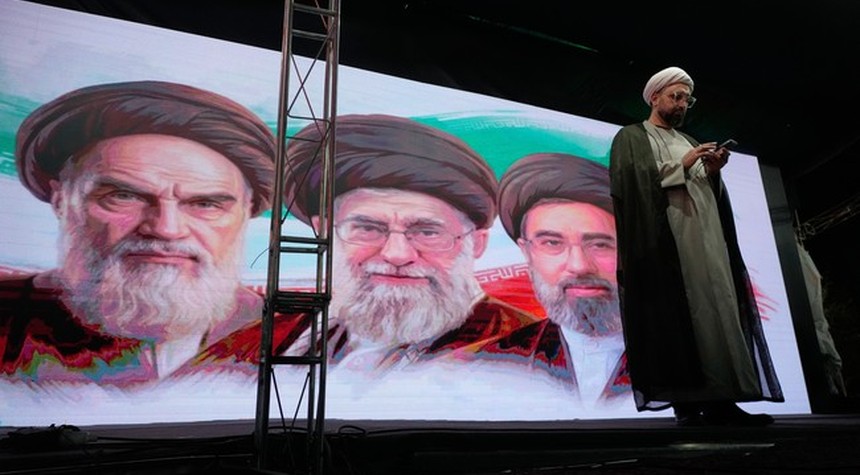
The Islamic Republic of Iran has demonstrated once again that its commitments to peace agreements carry little weight, as violations of the recently announced ceasefire accumulate with troubling regularity.
This pattern of behavior should surprise no one familiar with the history of American-Iranian relations over the past 47 years. The United States did not choose to enter into what has become a protracted conflict with Tehran. That decision was made by the Iranian regime in 1977, and by all available evidence, that regime shows no inclination to alter its course while its current leadership remains in power.
Recent statements from Iran’s supreme leader and Parliament speaker calling for “death to America” and renewed global jihad underscore this reality. The American government faces a stark choice: continue managing an indefinite conflict, or take decisive action to end it. At present, Washington appears committed to the former approach.
The human cost of this policy extends beyond American borders. Israelis, Persians living under authoritarian rule, and citizens of other nations continue to face threats to their lives and security. Intelligence reports confirm that numerous individuals with loyalty to the Iranian regime currently reside within the United States, including some connected to terrorist attacks on American soil this year.
Iranian drone attacks persist, endangering both American military personnel and international commercial shipping. These strikes have continued nightly since the peace deal was announced, maintaining the regime’s established pattern of violating ceasefires within the first 24 hours of their implementation.
Within Iran itself, the regime continues its brutal suppression of internal dissent. Two 24-year-old protesters, Javad Zamani and Abolfazl Saedi, were recently executed after their arrest during demonstrations in January. They were charged with “enmity against God” and “corruption on Earth.” Tens of thousands of other protesters remain in custody, many facing similar charges that carry the death penalty.
The contrast in international response to violence in the Middle East reveals a troubling inconsistency. When Israeli forces eliminate a Hezbollah operative, condemnations flow from the United Nations, Western governments issue complaints, and global media outlets provide extensive coverage. Yet when the Iranian regime executes young men and women whose only transgression was demanding freedom, the international community remains largely silent.
This double standard extends to assessments of responsibility for ongoing violence. Hezbollah, operating under Tehran’s direction, continues to violate peace terms through attacks in southern Lebanon. A recent incident involved explosive drones detonating near Israeli Defense Forces soldiers, injuring five personnel. These attacks represent a continuation of hostilities, not defensive responses.
American forces deployed in the region face daily threats requiring constant vigilance. Iranian drones targeting commercial vessels in the Strait of Hormuz pose risks to international shipping and global commerce. These actions demonstrate that Tehran views agreements as tactical pauses rather than genuine commitments to peace.
The fundamental question facing policymakers in Washington and other Western capitals is whether the current approach of managing conflict through periodic negotiations and limited responses serves long-term security interests. The evidence accumulated over nearly five decades suggests that the Iranian regime interprets restraint as weakness and views agreements as opportunities for tactical advantage rather than frameworks for lasting peace.
Until the nature of the regime itself changes, either through internal transformation or external pressure, the cycle of provocation, negotiation, violation, and renewed conflict appears likely to continue indefinitely.
Related: Canadian Prime Minister Departs G7 Summit Without Formal Trump Meeting