
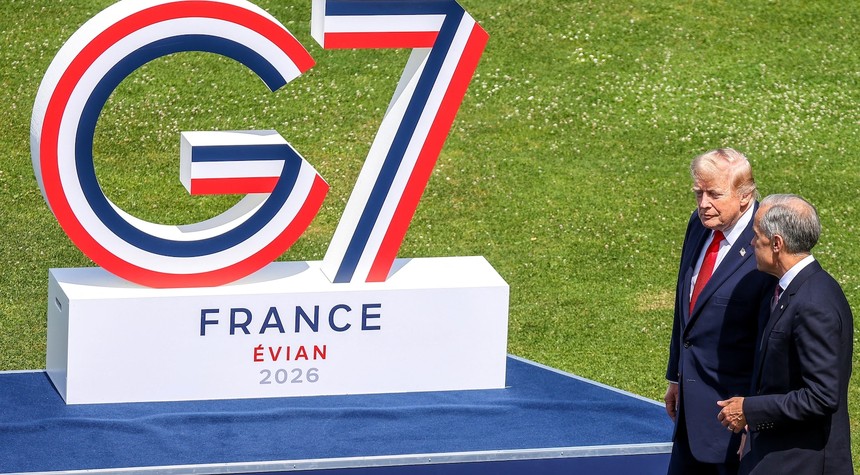
Canadian Prime Minister Mark Carney departed the G7 summit in Evian-les-Bains, France on Wednesday without securing a formal bilateral meeting with President Donald Trump, though both leaders downplayed any diplomatic significance to the absence of such an encounter.
The situation marks a notable departure from established protocol. Canadian leaders have customarily held formal bilateral discussions with American presidents during summits of the world’s leading industrialized democracies. The lack of such a meeting comes at a particularly sensitive moment, as the free trade agreement binding the economies of Canada, the United States, and Mexico faces an uncertain future.
Prime Minister Carney, however, dismissed suggestions that the absence of a formal meeting represented any form of diplomatic slight. Speaking to reporters, he noted that he had engaged in numerous informal discussions with the American president throughout the summit’s duration.
“I wouldn’t take a big message from that,” Carney stated. “I had seven or eight discussions with President Trump over the course of the last 36 hours. I’ll have more today, a wide range of subjects from the economy, relations, his birthday, artificial intelligence, Ukraine, obviously Iran.”
The substance of these informal exchanges covered considerable diplomatic ground, touching on matters both ceremonial and consequential. The breadth of topics discussed suggests that while protocol may have been set aside, substantive dialogue between the two North American leaders continued throughout the gathering.
The timing of these developments carries particular weight. Trade negotiations concerning the latest iteration of the North American free trade pact have reached what observers describe as a crucial juncture. The agreement, which has fundamentally intertwined the economies of the three continental partners since the early 1990s, now faces questions about its future structure and terms.
The economic stakes involved extend far beyond diplomatic niceties. The integrated supply chains, labor markets, and commercial relationships built over three decades of continental free trade represent billions of dollars in economic activity and millions of jobs across all three nations.
What remains uncertain is whether the informal nature of the Trump-Carney discussions at this summit signals a new approach to North American diplomatic relations or simply reflects the practical realities of a packed summit schedule. The distinction matters, particularly to those monitoring the health of the broader relationship between Washington and Ottawa.
The G7 summit itself brought together leaders from the United States, Canada, the United Kingdom, France, Germany, Italy, and Japan. These nations collectively represent a substantial portion of global economic output and have historically used such gatherings to coordinate approaches to international challenges.
As Prime Minister Carney returns to Ottawa and President Trump to Washington, the question of North American trade relations remains unresolved. The coming weeks will likely prove telling as negotiators from all three countries work to determine whether the continental partnership that has defined North American commerce for a generation will continue in its current form or undergo significant revision.
That is the way it stands this evening from the G7 summit in France.
Related: President Delays G7 Summit for Private Ukraine Negotiations